
October Therapy Resources: Care That Starts With the Individual

Adult Neuro: New Therapy Tools for October
October’s adult neuro resources challenge some common one-size-fits-all approaches while providing practical tools for individualized care. You’ll find resources for dysphagia, concussion, communication, pacing, movement, financial rehabilitation, wheelchair users, and functional cognition.
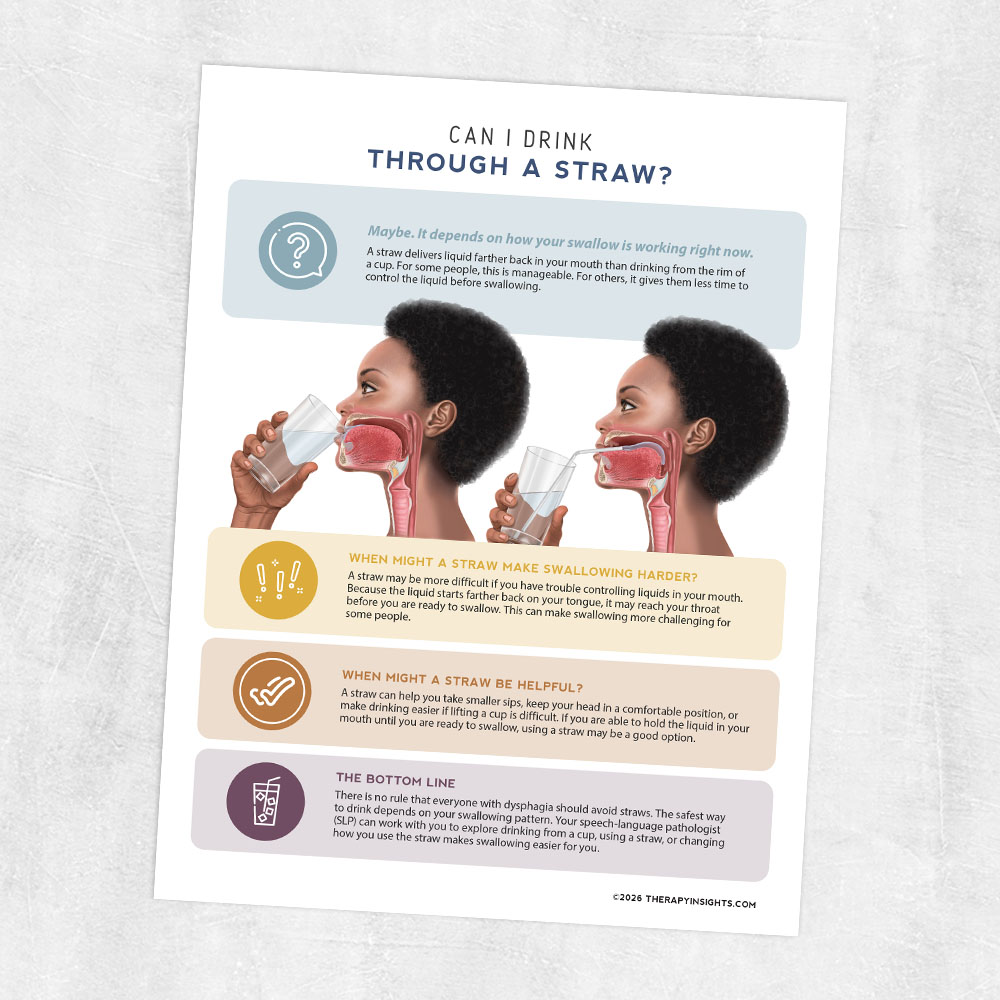
Can I Drink Through a Straw?
Is drinking through a straw safe for someone with dysphagia? It depends. This patient-friendly handout explains how factors like straw placement, sip size, and an individual’s swallowing pattern can influence swallowing safety, helping therapists move the conversation away from blanket rules and toward individualized recommendations.
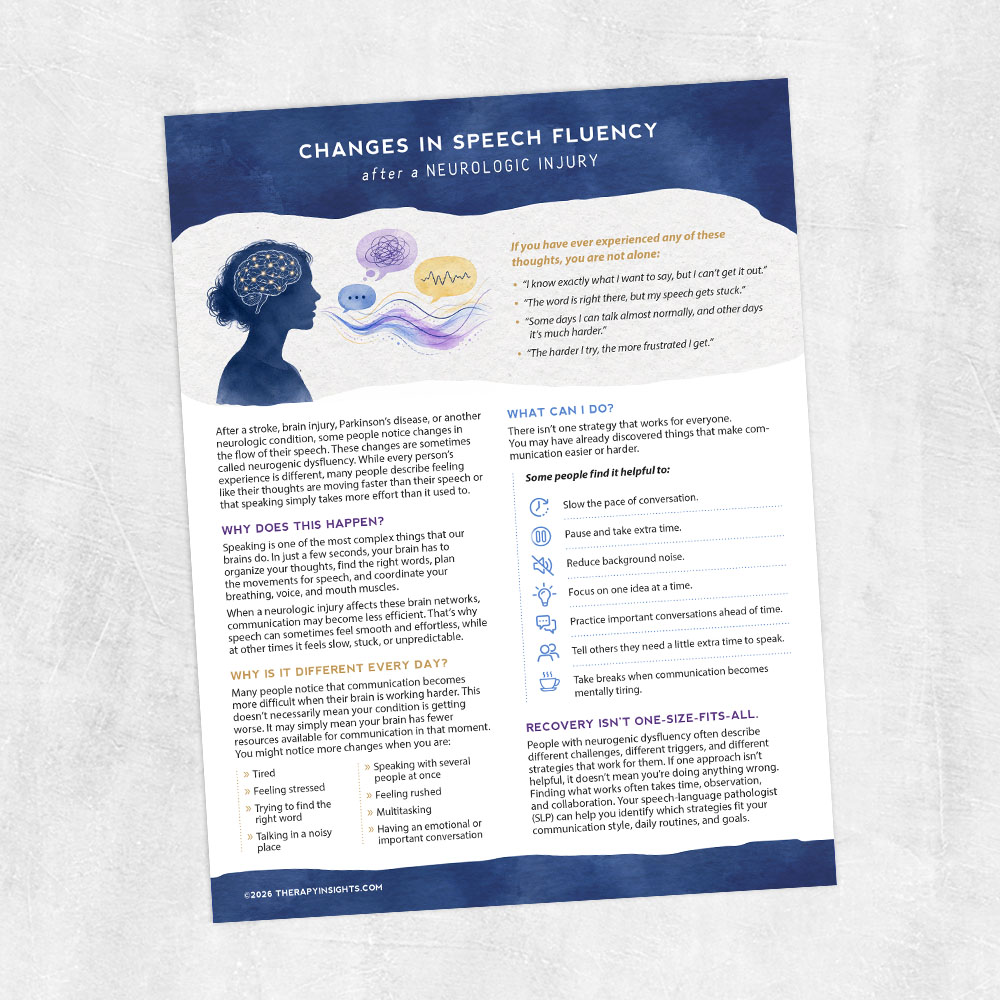
Changes in Speech Fluency After a Neurologic Injury
Help patients understand why speech fluency can change after stroke, brain injury, Parkinson’s disease, or other neurological conditions. This resource uses accessible language and real-life examples to support conversations about variable recovery, communication strategies, and therapy goals that reflect what matters to the individual.
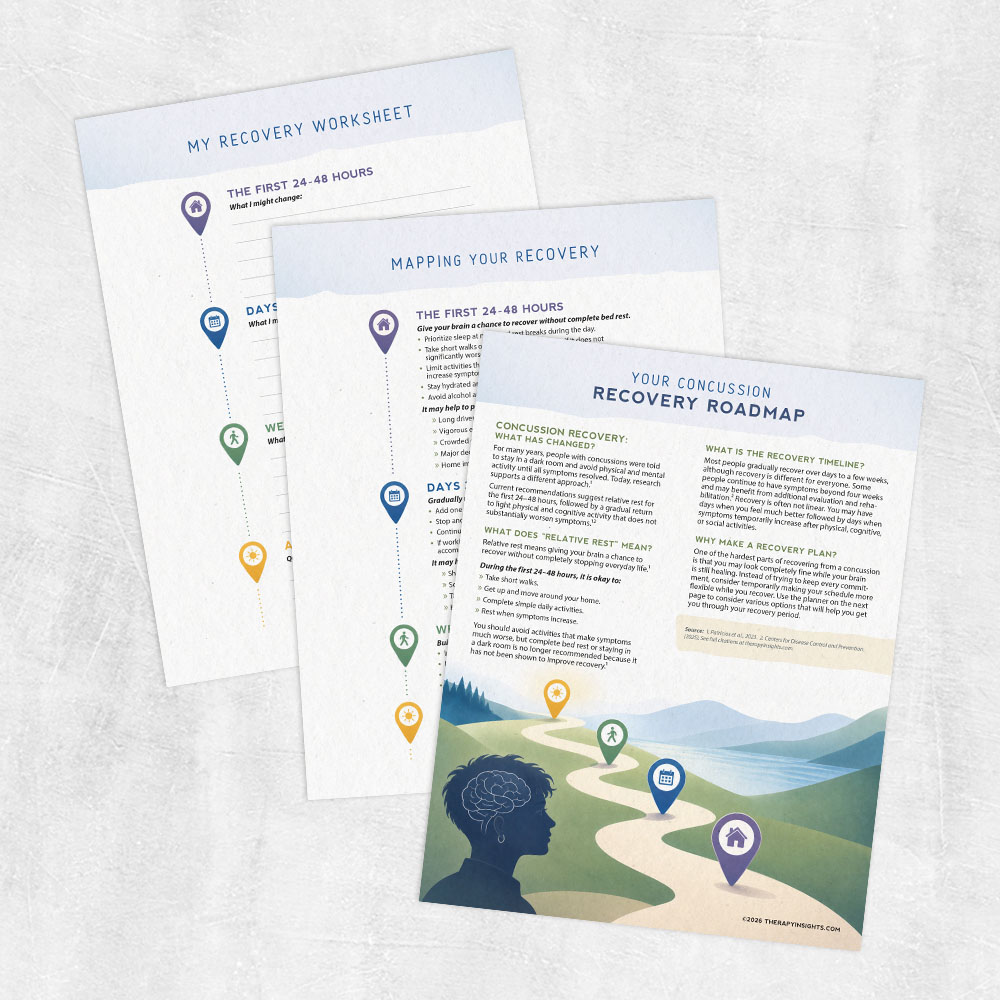
Your Concussion Recovery Roadmap
A flexible, evidence-informed guide to what concussion recovery may look like over the days and weeks following an injury. Patients can use it to set realistic expectations, pace their return to everyday activities, and identify temporary adjustments that support recovery without treating the timeline as a rigid prescription.
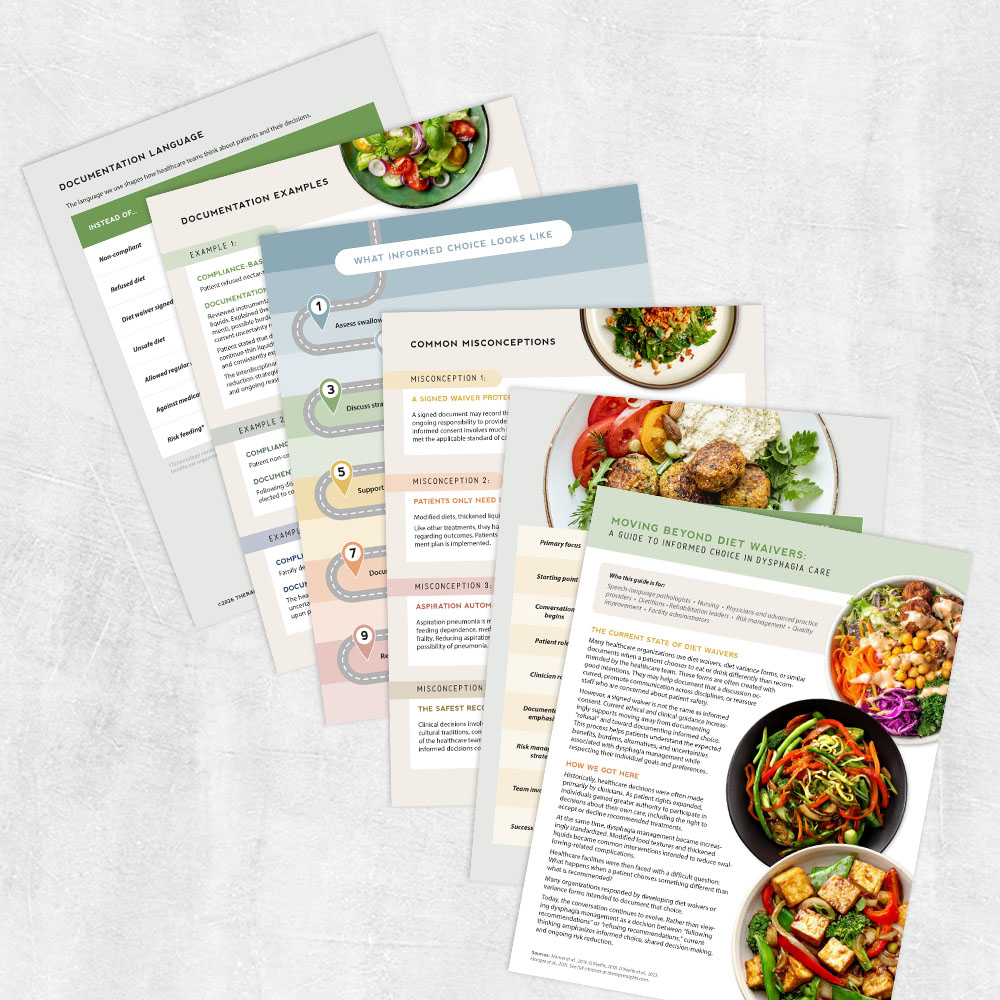
Moving Beyond Diet Waivers: A Guide to Informed Choice in Dysphagia Care
A clinician-facing guide for moving away from diet waivers and toward informed choice. Research, documentation examples, and interdisciplinary discussion tools help therapists navigate conversations with administrators, nursing, physicians, patients, and families while supporting autonomy and high-quality dysphagia care.
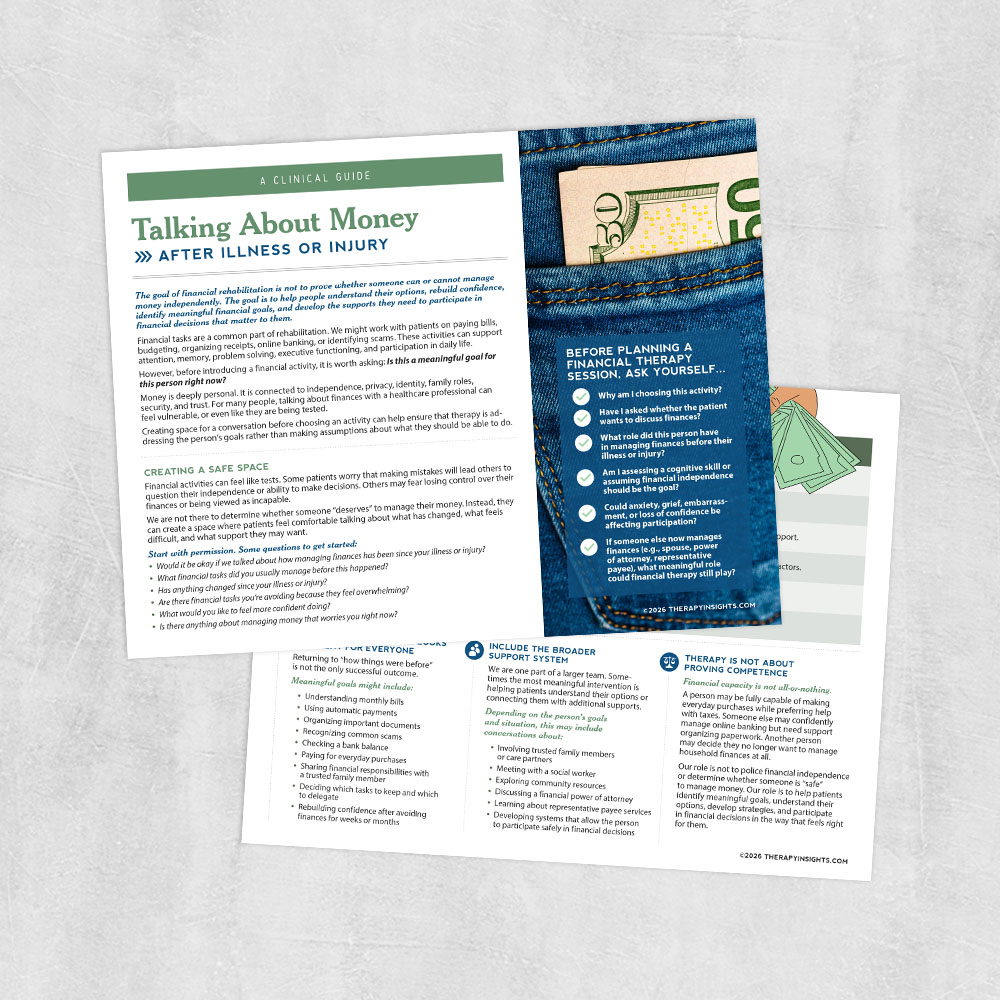
Talking About Money After Illness or Injury: A Clinical Guide
Financial rehabilitation involves much more than determining whether someone can balance a checkbook. This clinical guide helps therapists begin with the person’s experiences, priorities, and concerns before moving into assessment or intervention around financial tasks.
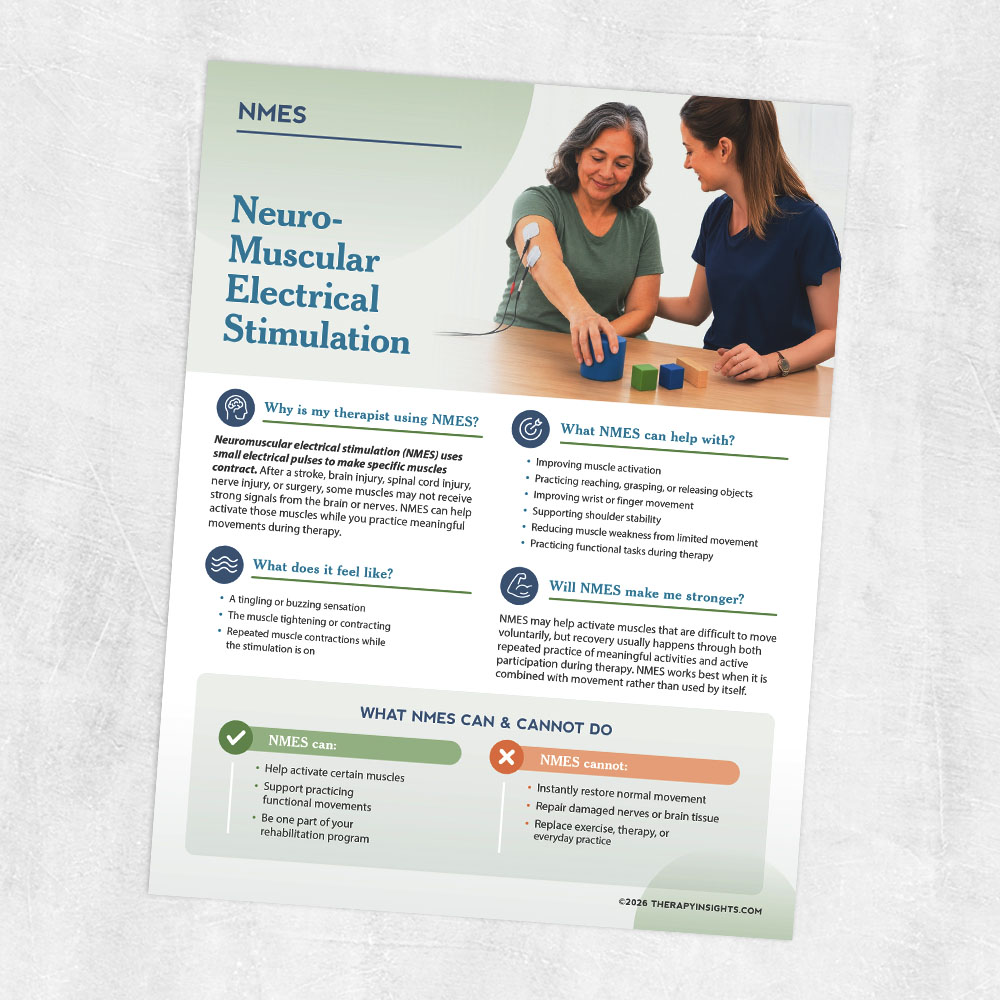
Neuromuscular Electrical Stimulation (NMES)
A straightforward patient guide to neuromuscular electrical stimulation in occupational therapy. Use it to explain what NMES is, why it may be incorporated into treatment, and what patients can expect during a session.
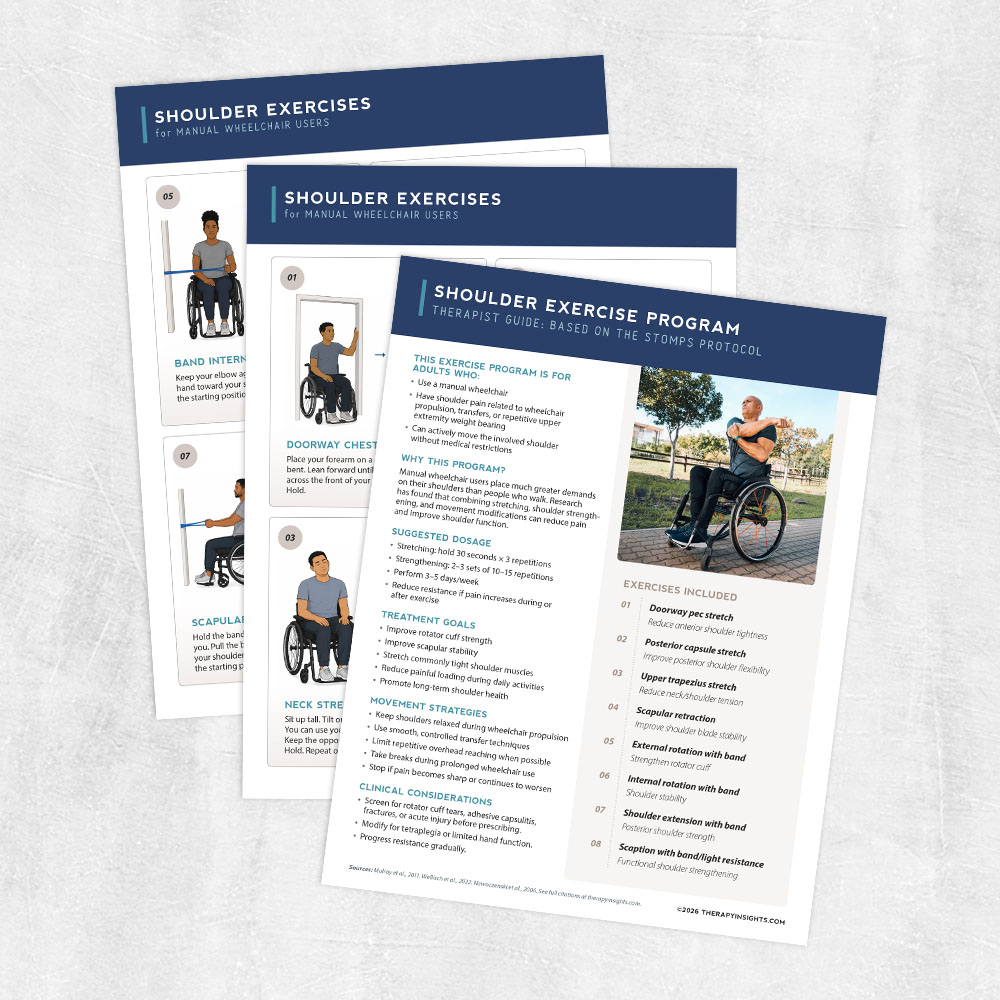
Shoulder Exercise Program Based on the STOMPS Protocol
An evidence-based stretching and strengthening program designed to help manual wheelchair users address shoulder pain. The resource includes clinical guidance for therapists alongside simple exercise illustrations that can be used during treatment or as part of a home program.
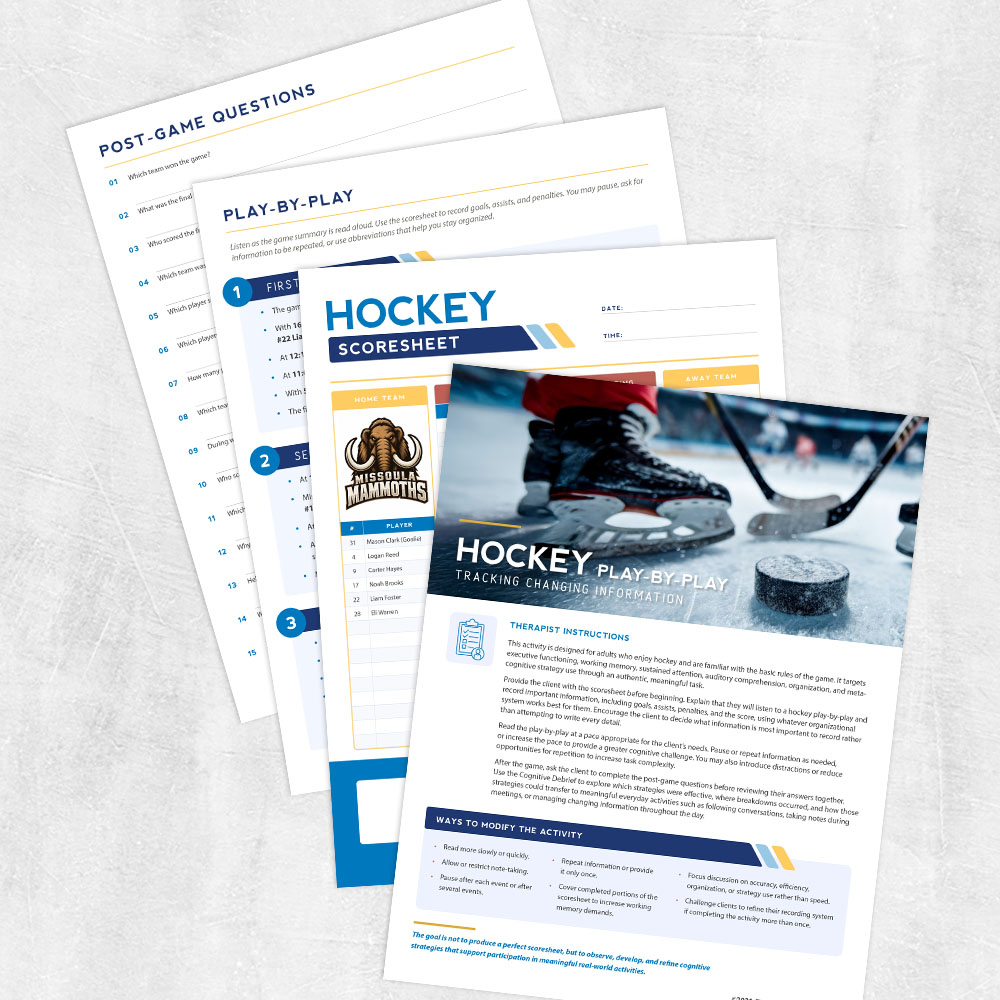
Hockey Play-by-Play: Tracking Changing Information
Follow a fast-moving hockey game while practicing sustained attention, working memory, organization, and cognitive flexibility. Participants track goals, penalties, and changing game information before reflecting on their reasoning, self-monitoring, and strategy use.
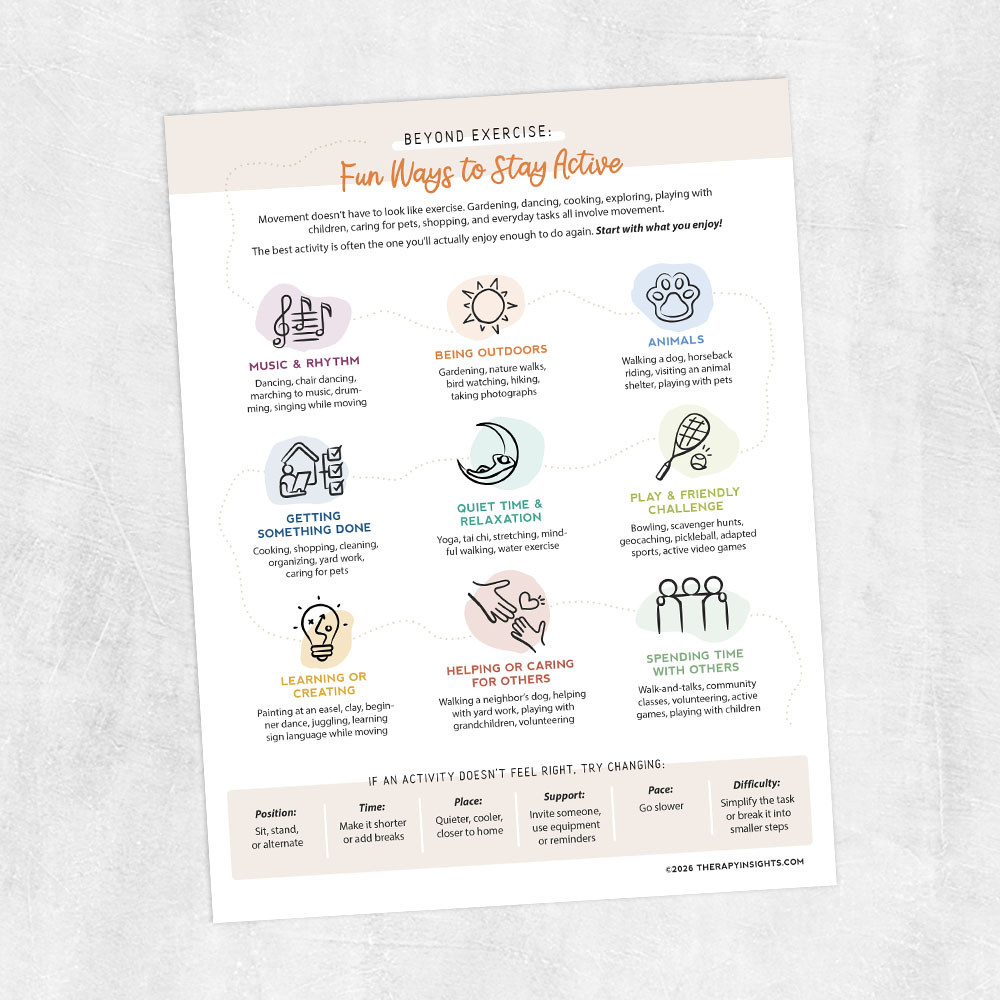
Beyond Exercise: Fun Ways to Stay Active
Movement doesn’t have to look like a traditional exercise program. This resource starts with what the person actually enjoys and helps therapists explore ways to adapt meaningful activities to changing abilities, interests, and circumstances.
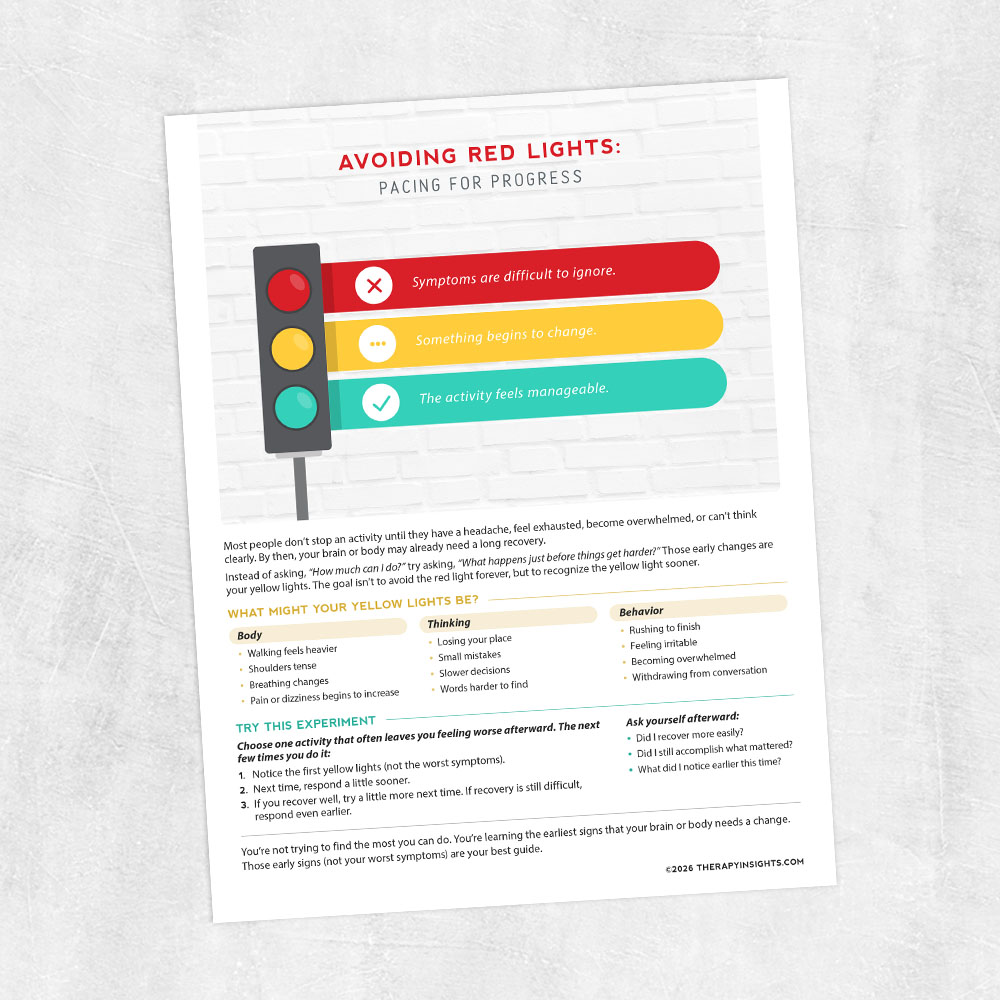
Avoiding Red Lights: Pacing for Progress
Help individuals recognize the earlier signs that they may be approaching their limits instead of waiting until they’ve already done too much. This resource uses “yellow lights” and “red lights” to support experimentation with pacing and more sustainable patterns of activity.o help individuals identify adaptations that fit their abilities, priorities, and home routines.
What’s Coming in November…
- Reading and communication, including a clinical guide to acquired alexia and guidance for navigating AAC device selection.
- Cognitive strategies in everyday life, with a Zillow home-searching activity and iPhone automations that turn context-based reminders into external memory supports.
- Living with neurological change over time, including resources for Parkinson’s disease, older brain injuries, and planning during the early stages of dementia.
- Daily routines and independence, with adult-friendly visual supports for tooth brushing and simplified toaster oven cooking.
- Balance assessment, with standardized guidance for administering, scoring, and interpreting the Functional Reach Test
Clinical Pediatrics: New Therapy Tools for October
Individualized care means paying attention to how children communicate, experience relationships, and participate in everyday life. This month’s pediatric resources encourage therapists and communication partners to listen more closely, reduce unnecessary pressure, and understand each child’s communication, feeding, and participation needs within the context of their real life.
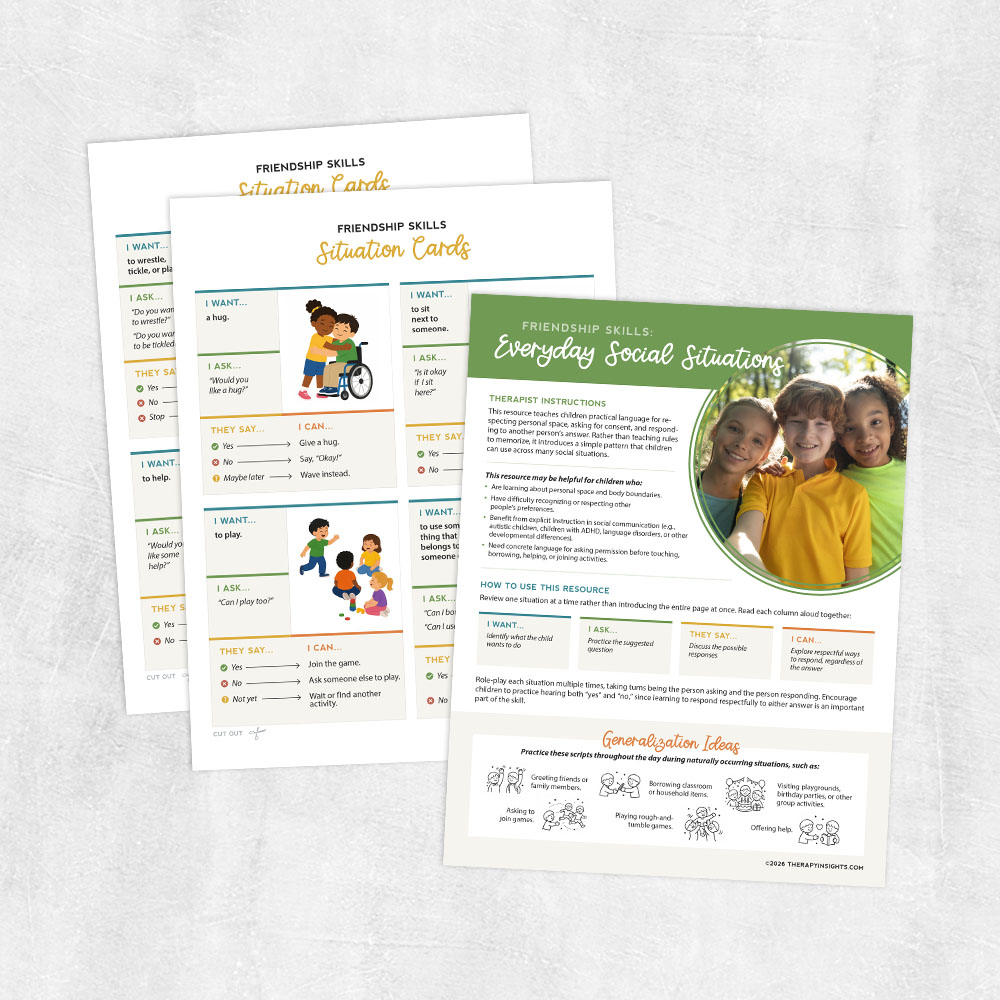
Friendship Skills: Everyday Social Situations
Visual scenarios help children explore everyday situations involving friendship, personal space, consent, and kindness. Rather than memorizing rigid social rules, children can discuss different perspectives, consider possible responses, and practice social problem-solving they can use across settings.
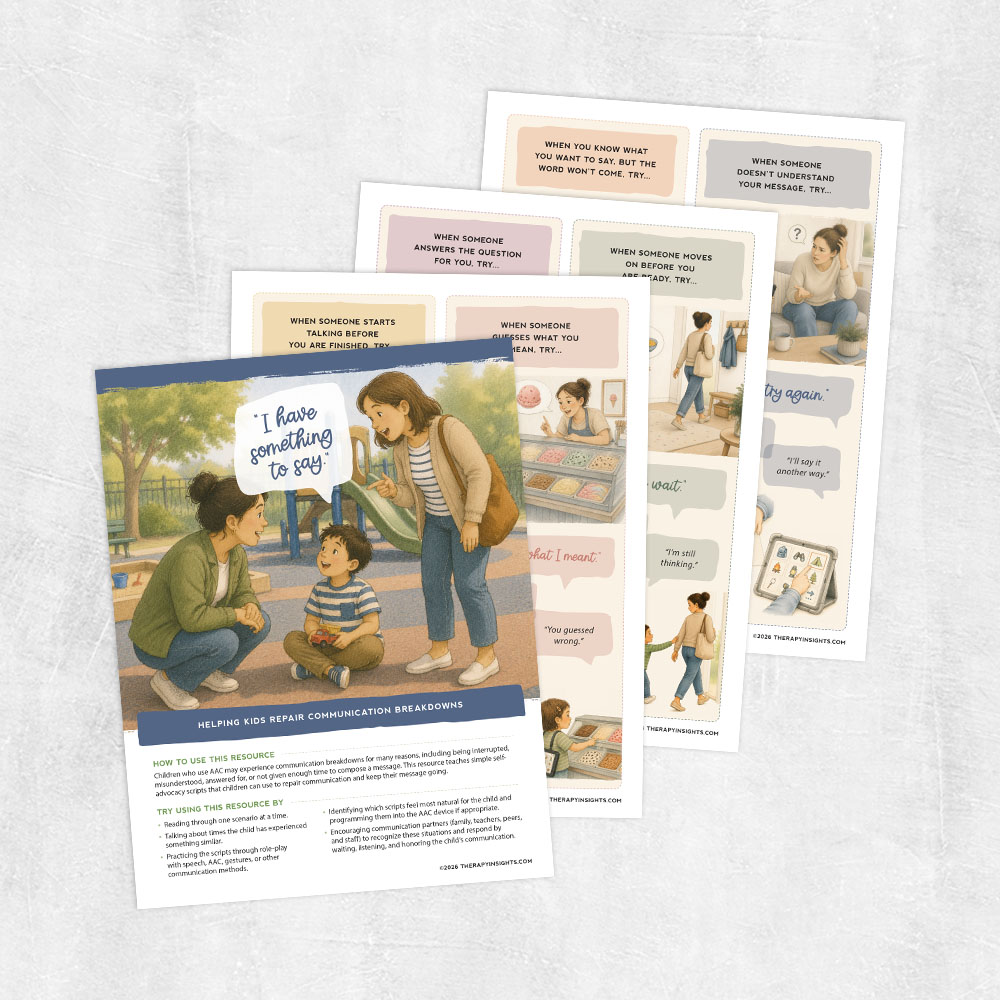
I Have Something to Say: Helping Kids Repair Communication Breakdowns
Give children who use AAC practical ways to advocate for themselves when someone interrupts, misunderstands, answers for them, or doesn’t give them enough time to communicate. Illustrated scripts provide concrete language that can be practiced in therapy and carried into everyday conversations.
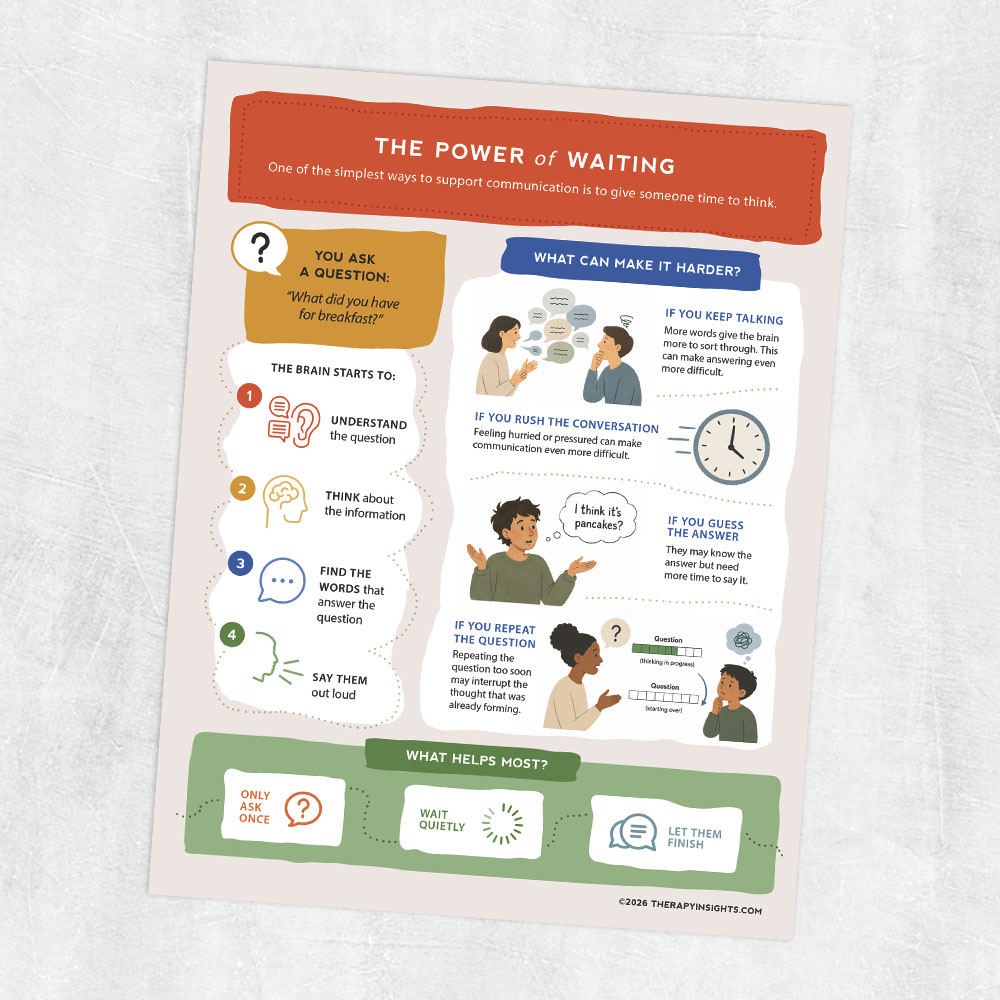
The Power of Waiting: A Simple Way to Support Communication
Sometimes supporting communication means doing less. This handout helps parents, caregivers, educators, and other communication partners understand how additional processing time can help and why quickly repeating a question, adding more language, or rushing to fill the silence can make communication harder.
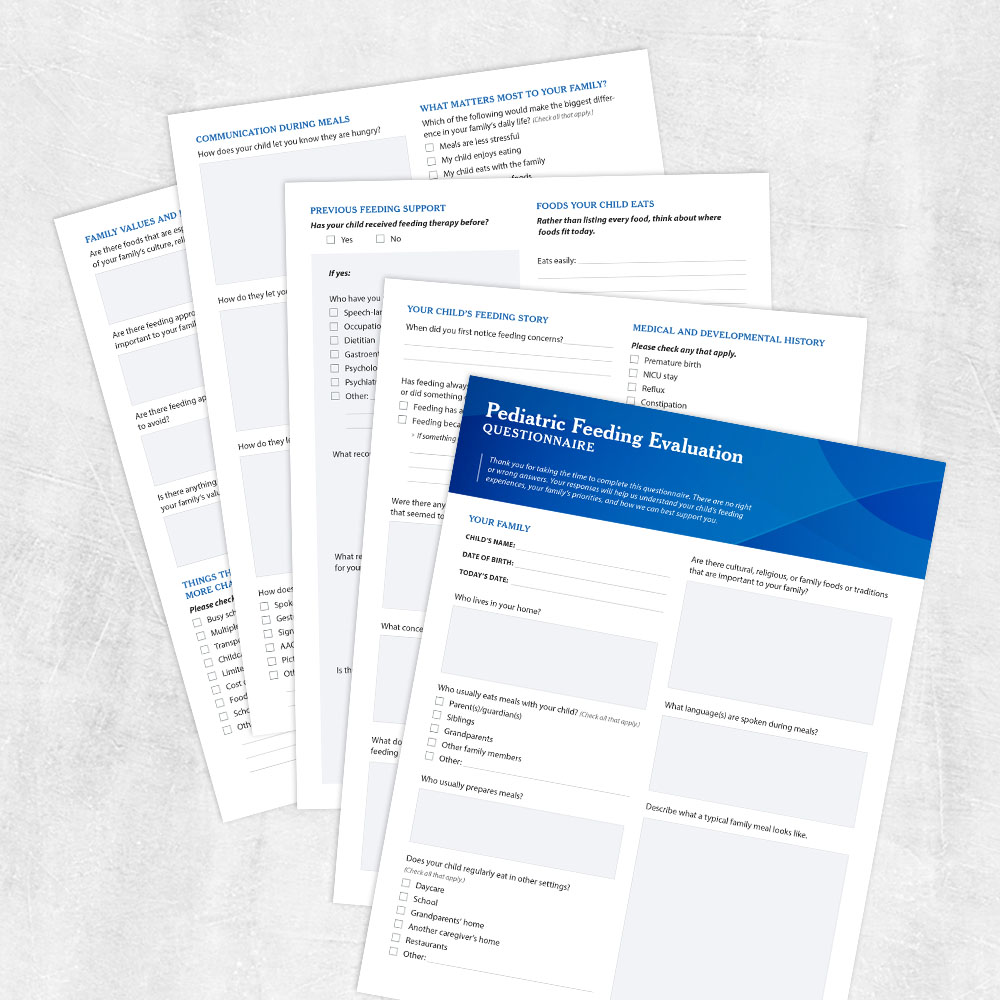
Pediatric Feeding Evaluation Questionnaire
Go beyond a checklist of foods and feeding behaviors. This questionnaire gathers information about feeding history alongside family culture, communication, previous therapy experiences, priorities, and values, helping therapists begin evaluation with a fuller understanding of the child and family.
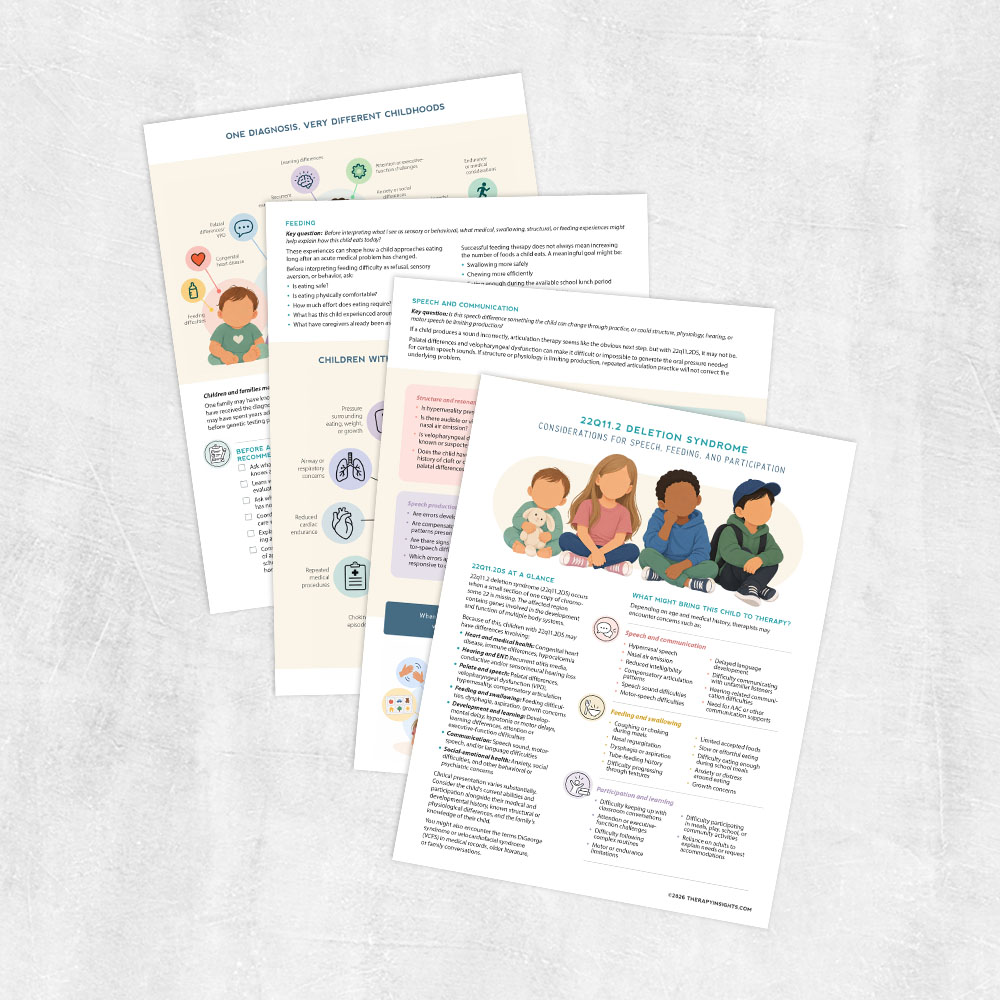
22q11.2 Deletion Syndrome: Considerations for Speech, Feeding, and Participation
A clinical resource exploring how 22q11.2 deletion syndrome may affect speech, communication, feeding, and everyday participation. Use it to support clinical reasoning, recognize factors that may warrant additional evaluation or referral, and develop therapy goals based on the individual child’s presentation.
What’s Coming in November…
- Responsive feeding and reducing mealtime pressure, with practical tools for respecting hunger, fullness, preferences, and communication while helping caregivers move away from bargaining, pressure, and food rewards.
- Early literacy and dyslexia risk, including guidance for recognizing patterns in phonological awareness, letter-sound learning, and rapid naming and knowing when additional screening or evaluation may be appropriate.
- Speech sound development, with a caregiver-friendly guide to understanding phonological patterns and articulation errors without relying on rigid developmental norms.
- Playful language practice, with a cut-and-paste silly activity that combines expressive and receptive language, fine motor skills, and shared decision-making without right or wrong answers.