
July 2026 Resource Roundup: Connection and Real-Life Participation

Adult Neuro: New Therapy Tools for July
Many of this month’s resources focus on helping people make sense of experiences that can be confusing, frustrating, or difficult to explain. Whether navigating cognitive changes, rebuilding routines, supporting family understanding, or finding new ways to connect, these tools are designed to support participation, dignity, and meaningful relationships.
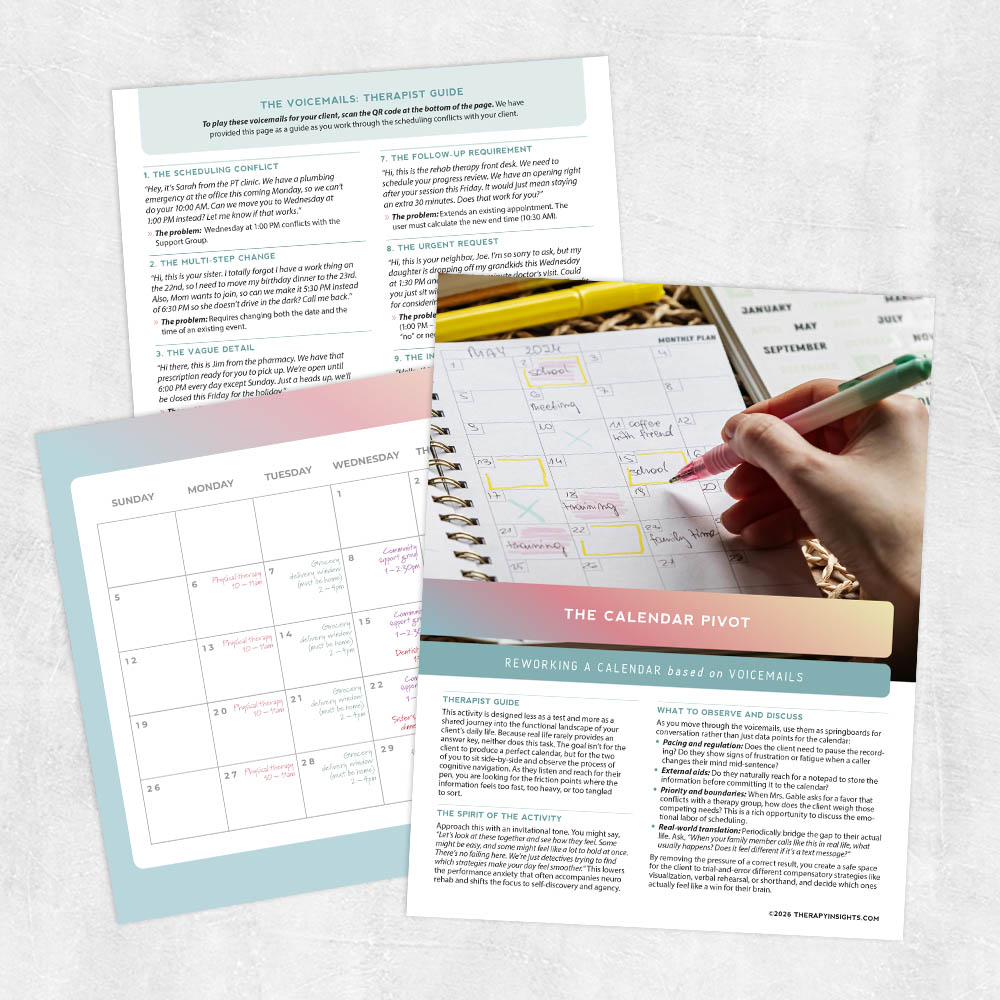
The Calendar Pivot: Reworking a Calendar Based on Voicemails
A realistic scheduling activity that invites therapists and clients to work side-by-side through the kinds of changes and interruptions that happen in everyday life. Rather than focusing on right or wrong answers, it helps uncover personalized strategies for managing cognitive demands and maintaining agency.
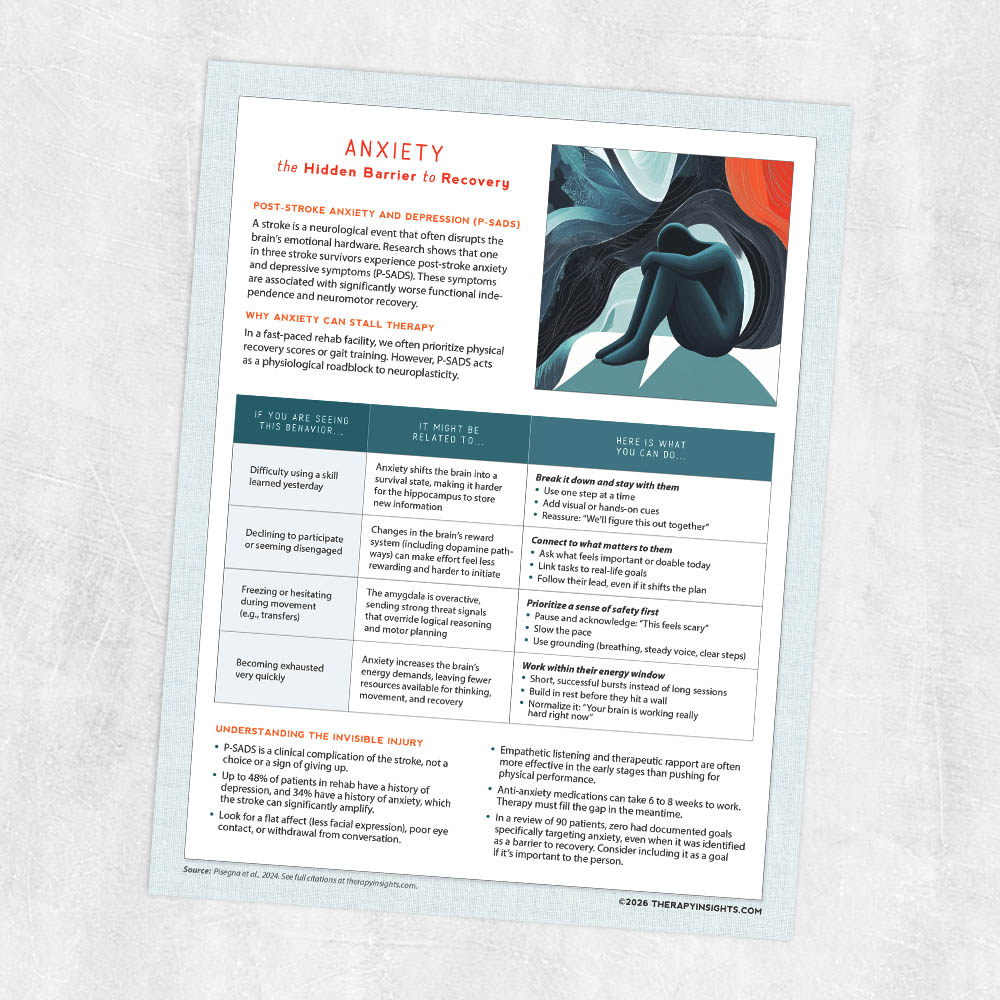
Anxiety: The Hidden Barrier to Recovery
This resource explores how anxiety and depressive symptoms can influence recovery after stroke and other neurological events. It provides therapists with a framework for helping individuals and families understand the connection between emotional wellbeing, neuroplasticity, and meaningful recovery goals.
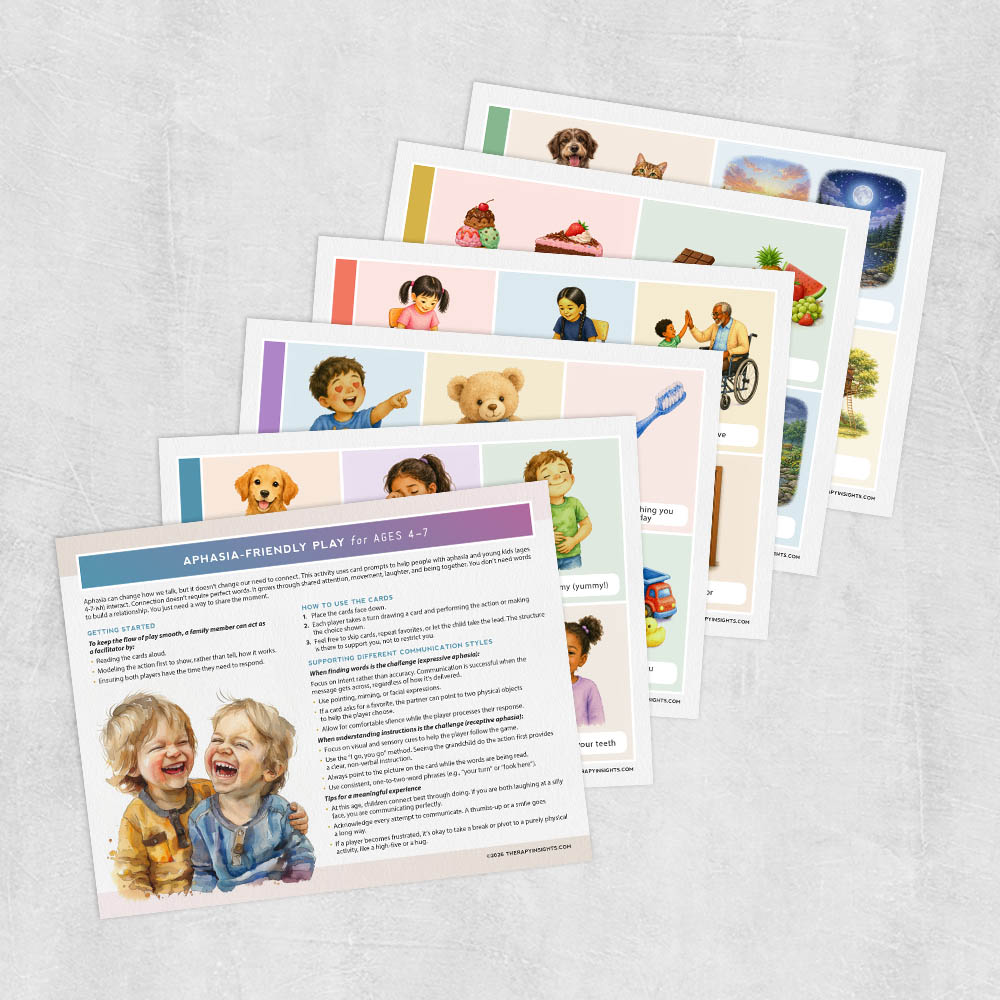
Aphasia-Friendly Play for Ages 4–7
A low-pressure card activity designed to support connection between stroke survivors and young children through play, movement, gestures, and shared attention. It offers opportunities for meaningful interaction without requiring perfect speech.
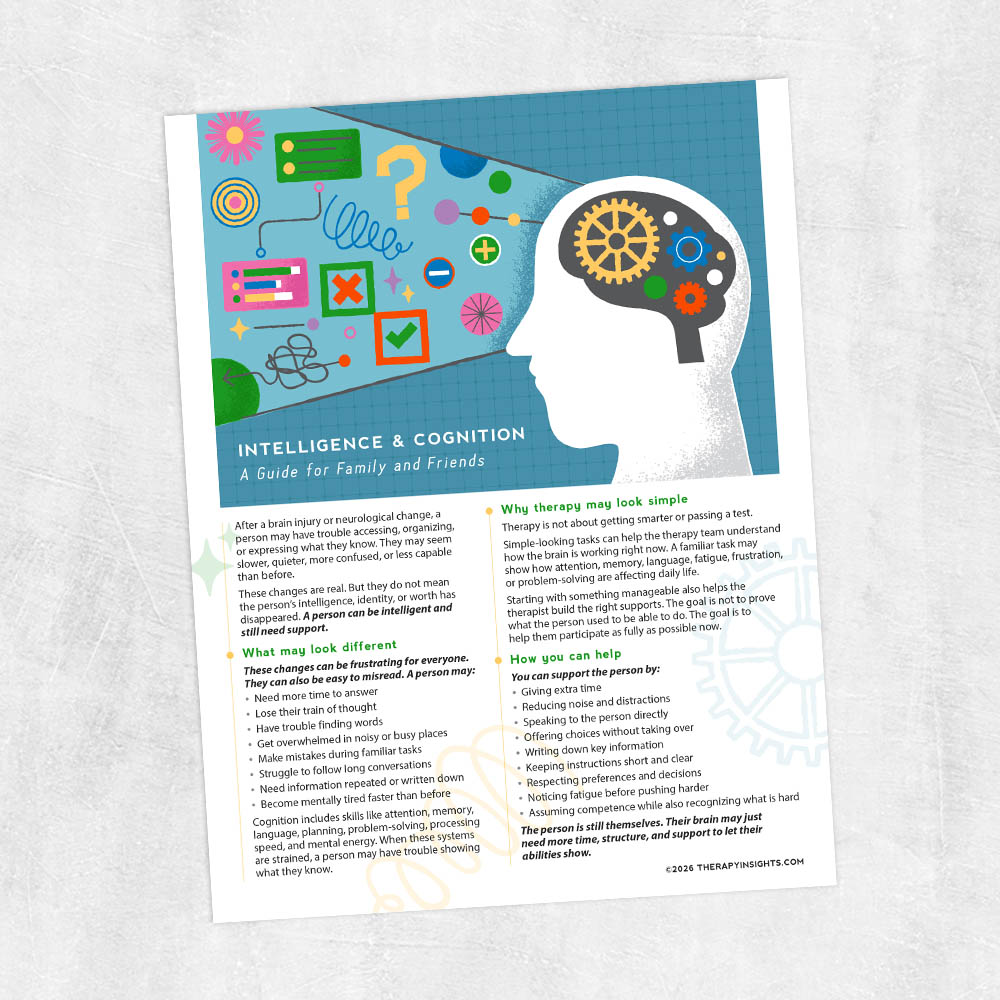
Intelligence and Cognition: A Guide for Family and Friends
This handout helps families understand the difference between intelligence and cognition after neurological change. It provides a framework for discussing cognitive challenges while preserving respect, dignity, and recognition of the person’s enduring abilities.
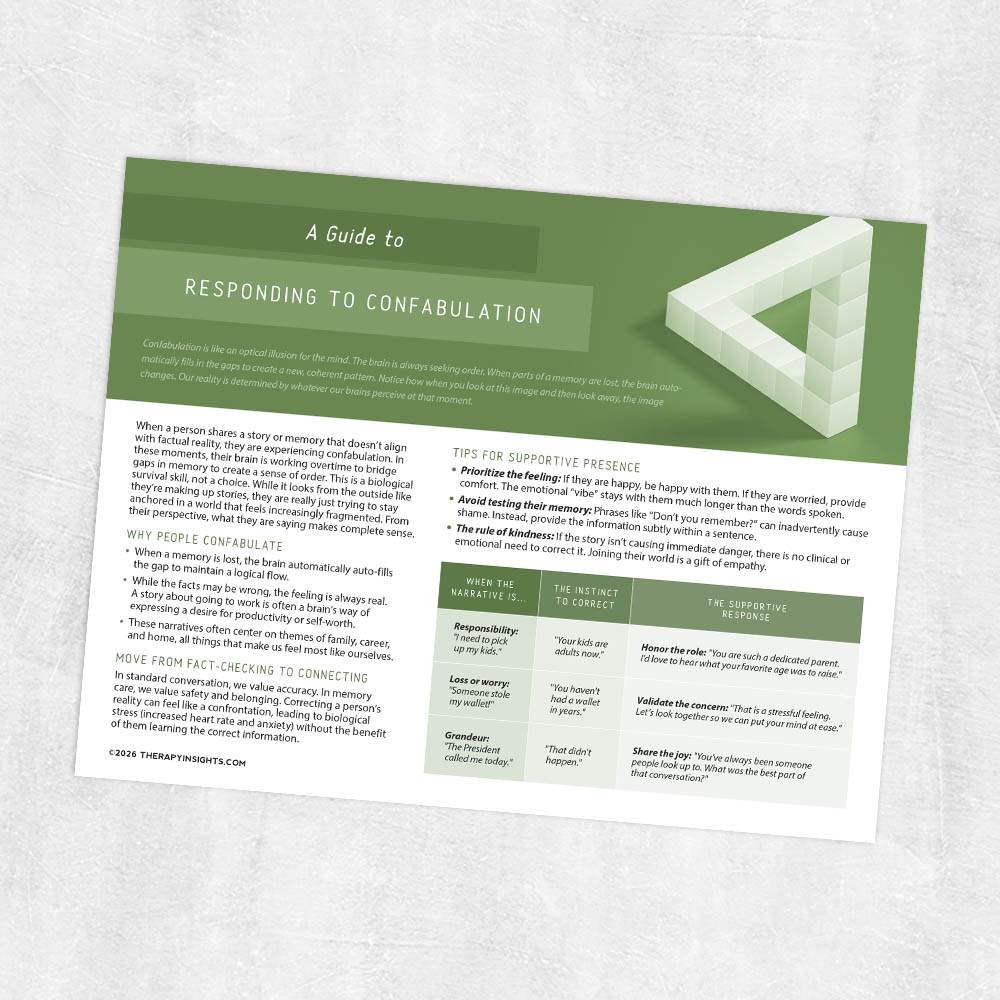
A Guide to Responding to Confabulation
A practical resource that helps families move away from correction and fact-checking toward emotional connection and understanding. It reframes confabulation as a neurological symptom and offers strategies for more supportive interactions.
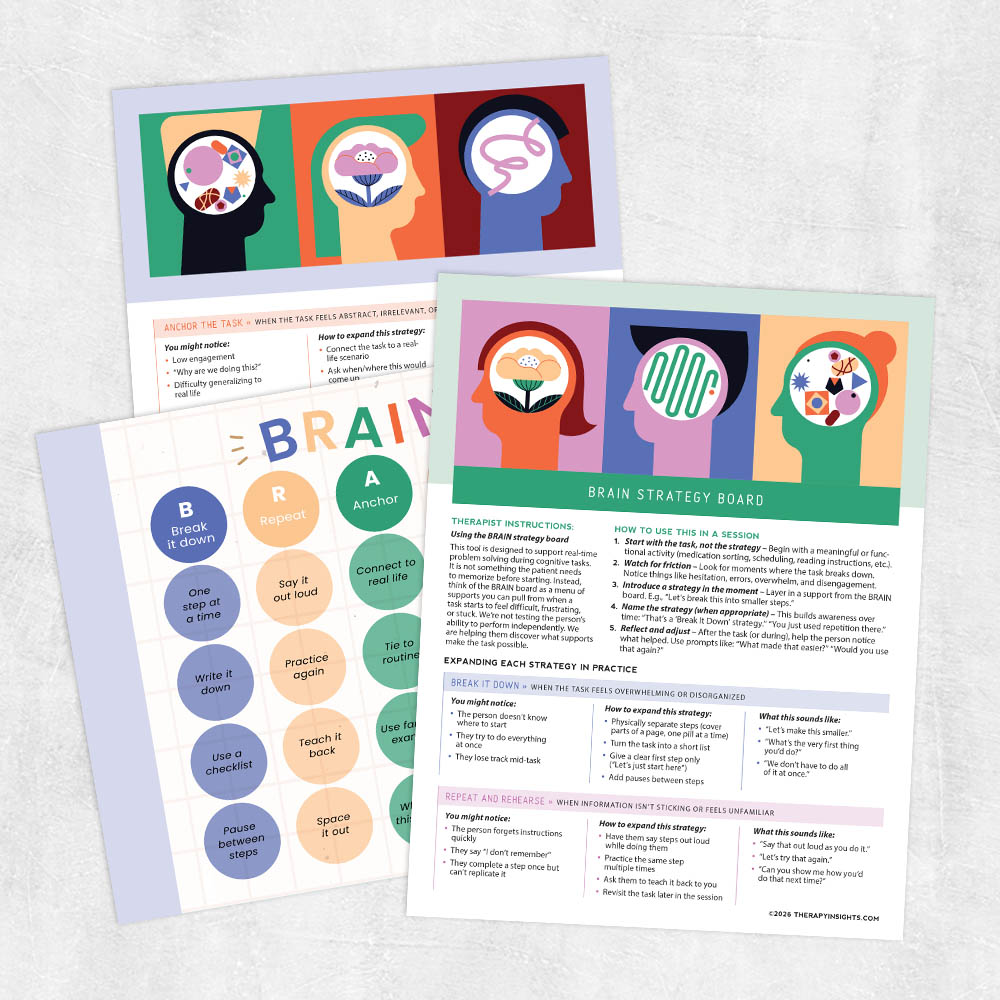
BRAIN Strategy Board
A flexible strategy tool designed to be used during any cognitive task. Therapists and clients can use the board together to identify breakdowns in real time, explore supports, and build a shared language around strategy use. The goal is not to find the “right” strategy, but to help individuals discover what works best for them.
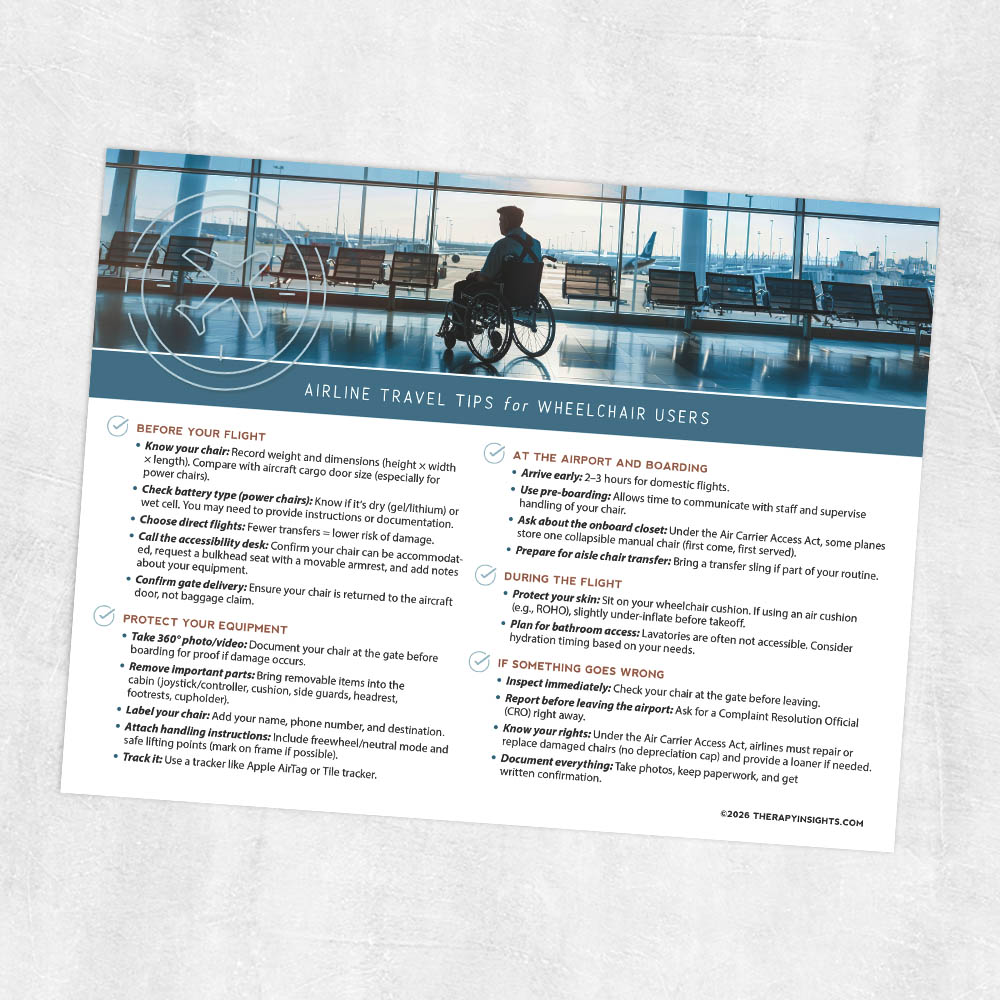
Airline Travel Tips for Wheelchair Users
A practical guide that helps wheelchair users prepare for air travel with greater confidence. Use it to support conversations about accessibility, safety, advocacy, and real-world planning before a trip.
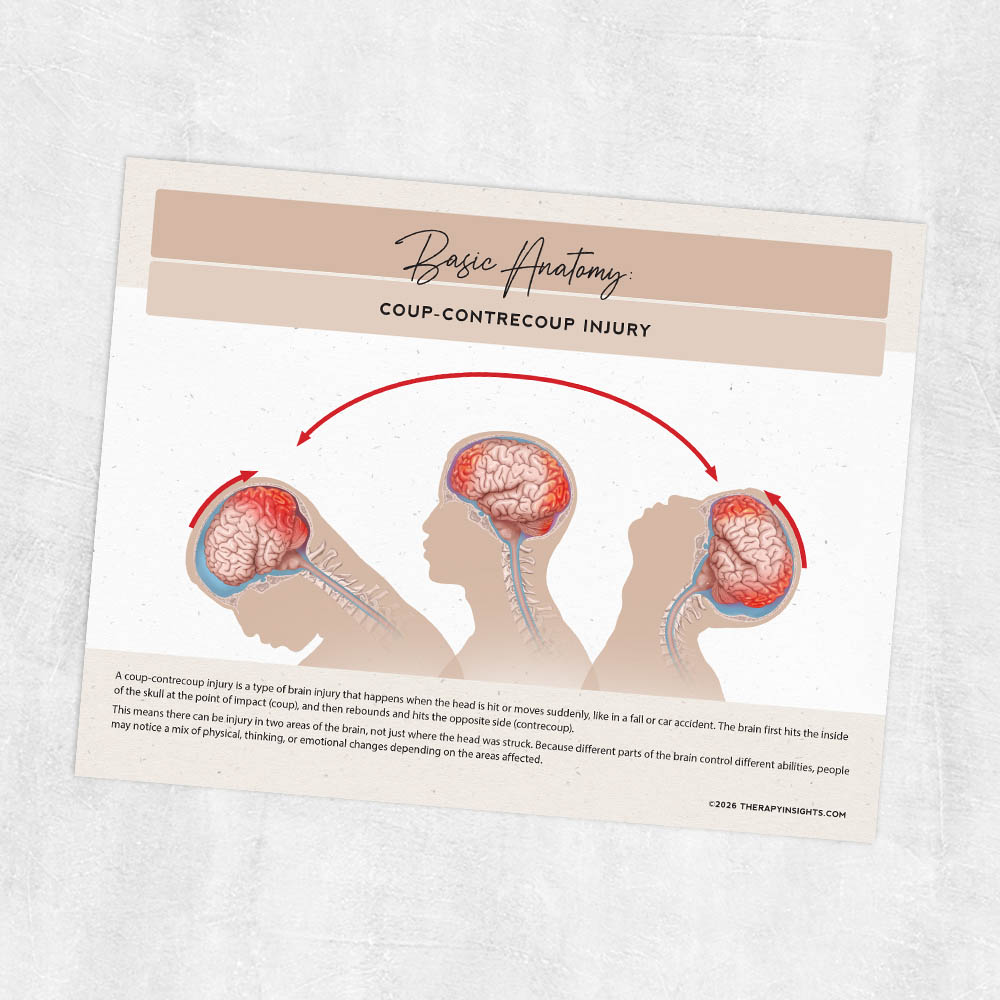
Basic Anatomy: Coup-Contrecoup Injury
A simple visual resource that helps patients and families understand how a brain injury can affect more than one area of the brain. Use it to explain why symptoms may not always match the location of the original impact and to support clearer, less overwhelming conversations about recovery and function.
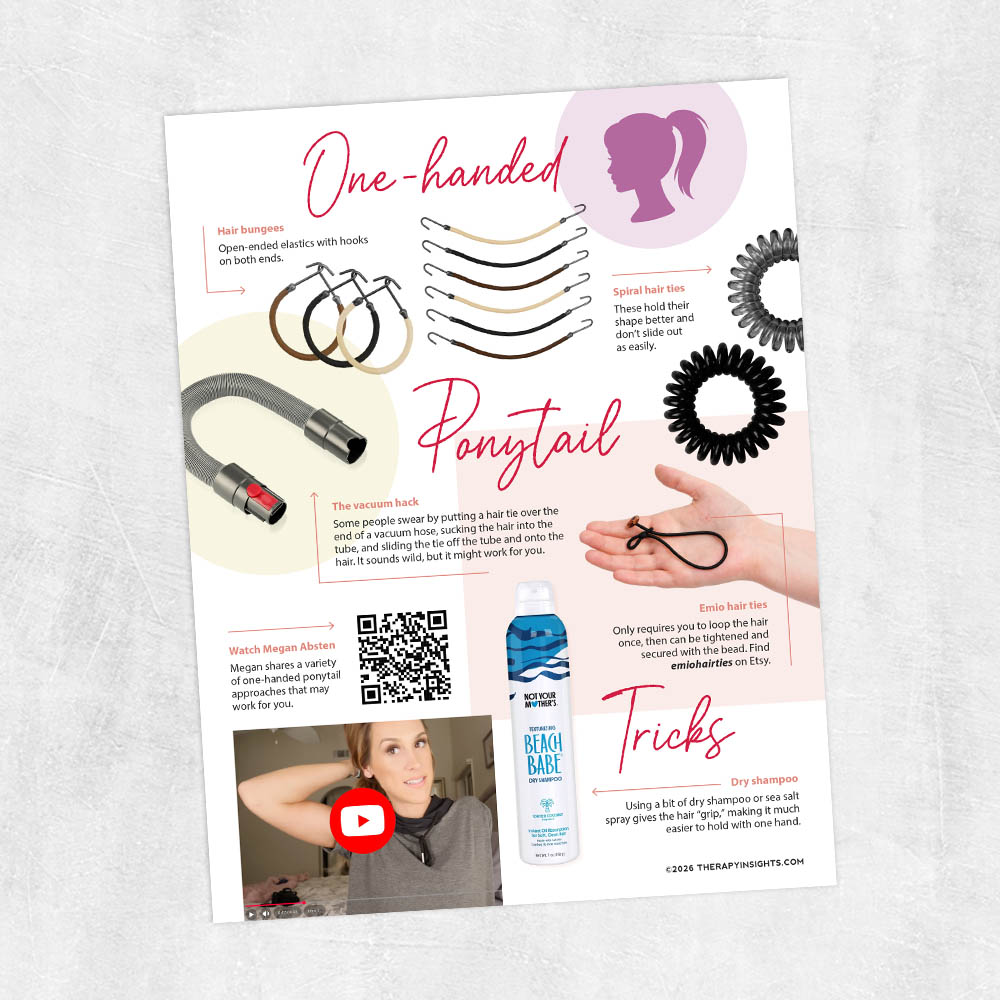
One-Handed Ponytail Tricks
This resource shares community-tested strategies for managing hair care after the loss of bilateral coordination. It offers practical starting points for conversations about adaptive self-care, independence, and creative problem-solving in daily routines.
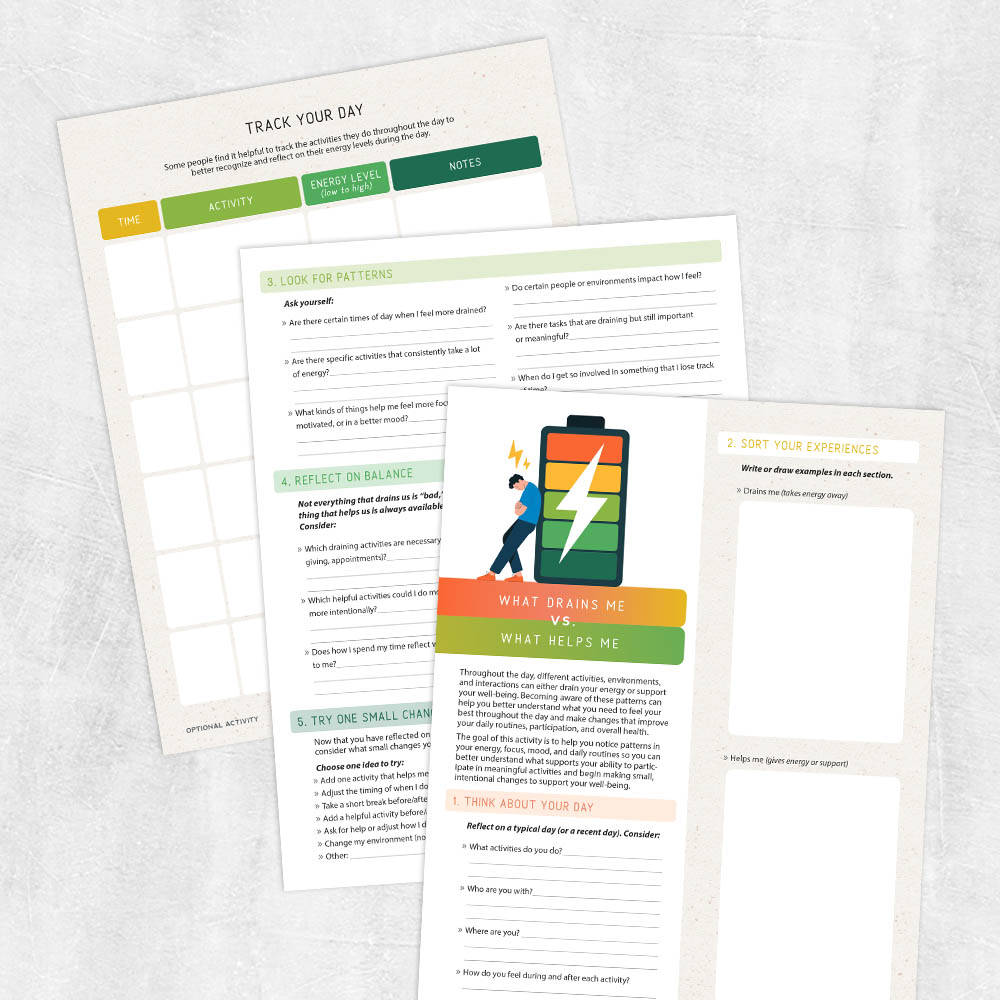
What Drains Me vs. What Helps Me
A reflective worksheet that helps individuals identify patterns in their energy, focus, mood, and participation. Use it to guide discussions about pacing, fatigue management, self-awareness, and meaningful routine adjustments that support long-term wellbeing.
What’s Coming in August…
- Swallowing education resources focused on vocal fold paralysis, aspiration, and swallowing safety
- Patient-friendly explanations of right hemisphere brain injury and Wallenberg syndrome
- Tools to support memory, organization, and cognitive changes in everyday life
- Dementia education resources for families, caregivers, and support teams
- Resources focused on anesthesia advocacy and perioperative brain health
- Brain injury discussion groups centered on planning, attention, and mental overload
- Participation-focused planning activities for social situations and community engagement
Clinical Pediatrics: New Therapy Tools for July
This month’s pediatric resources focus on helping children better understand themselves while supporting the adults around them in creating environments built on trust, collaboration, and respect. Across feeding, ADHD, brain injury, and emotional regulation, the common thread is helping children become active participants in understanding their own experiences.
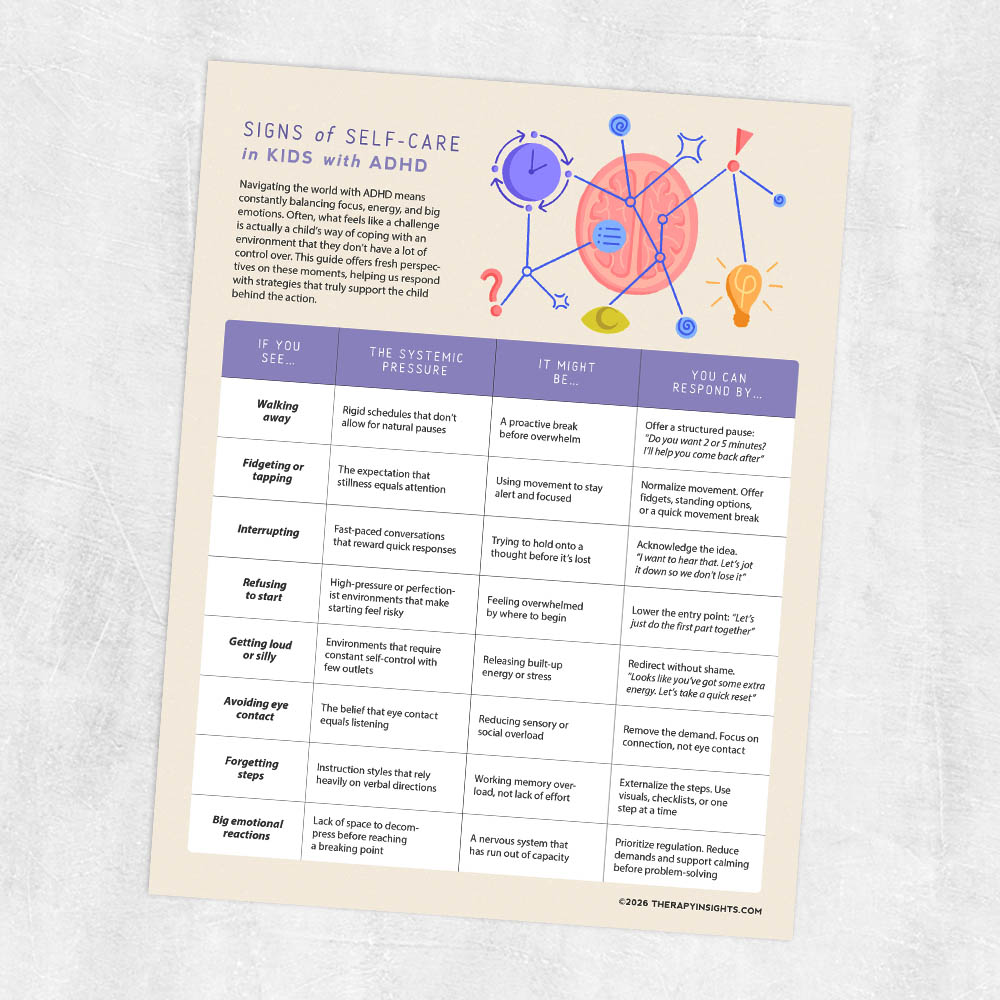
Signs of Self-Care in Kids With ADHD
This handout helps caregivers and educators view many commonly misunderstood ADHD behaviors through the lens of self-regulation. It offers practical language and supportive responses that move away from judgment and toward understanding.
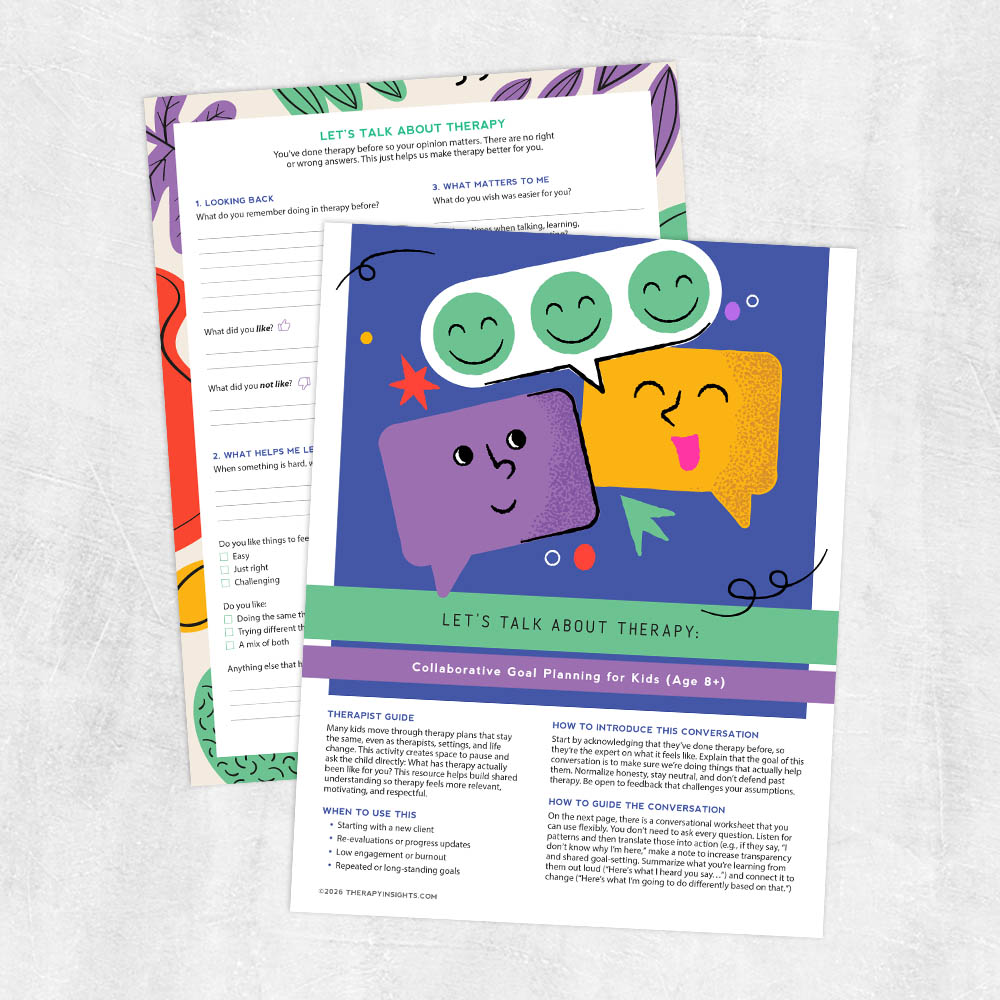
Let’s Talk About Therapy: Collaborative Goal Planning for Kids (Age 8+)
A guided activity that invites children into meaningful conversations about their therapy experience. It helps therapists and children work together to create goals that reflect the child’s priorities, preferences, and lived experiences.
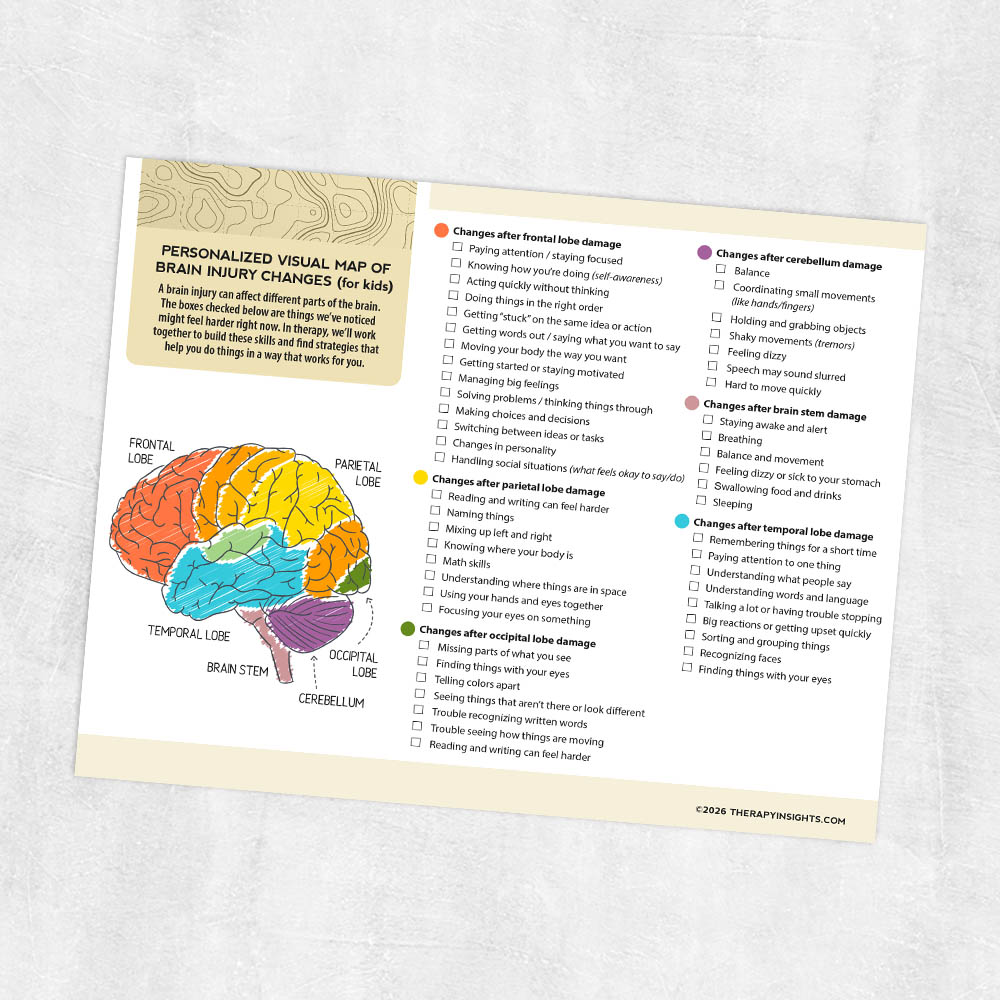
Personalized Visual Map of Brain Injury Changes (For Kids)
This child-friendly resource helps children understand how a brain injury may be affecting their daily lives. It supports shared insight, emotional understanding, and collaborative goal-setting through clear visuals and accessible language.
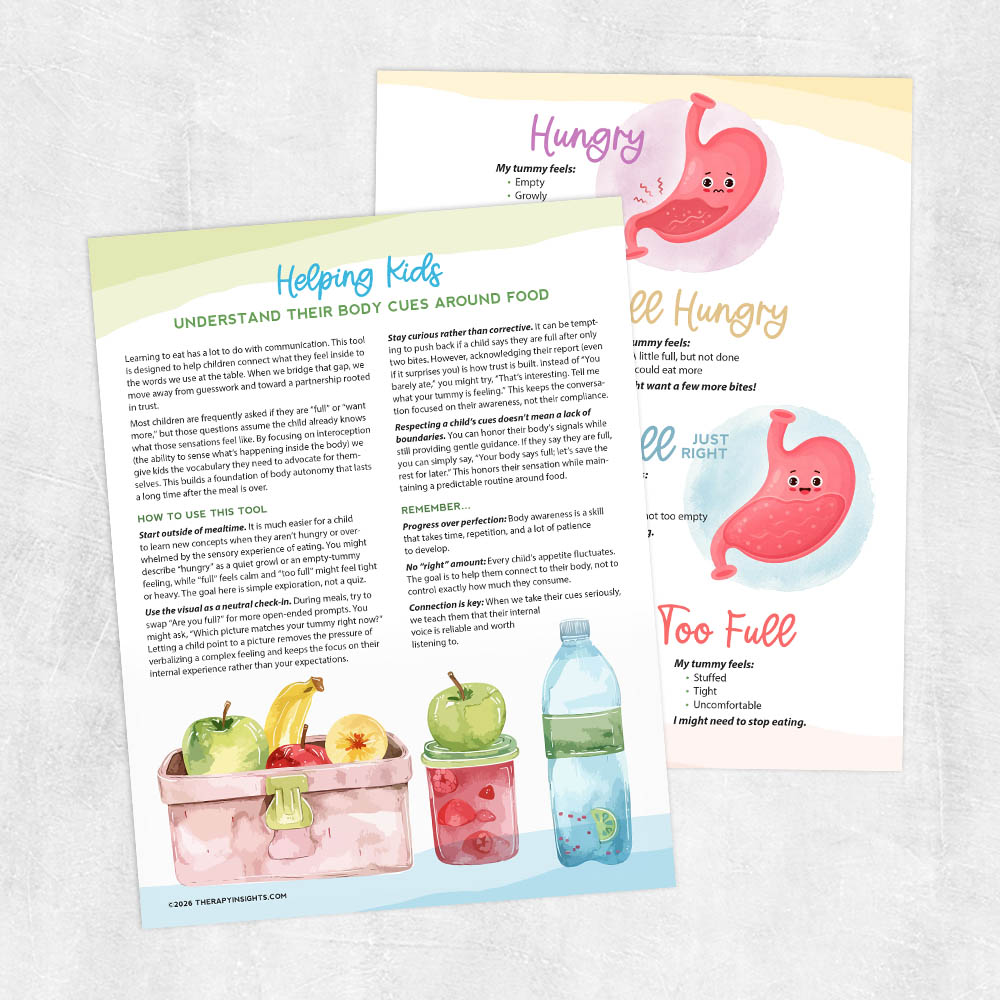
Helping Kids Understand Their Body Cues Around Food
A visual and language-based tool that supports interoceptive awareness around hunger and fullness. It helps children communicate their experiences while encouraging adults to respond in ways that build trust and body awareness.
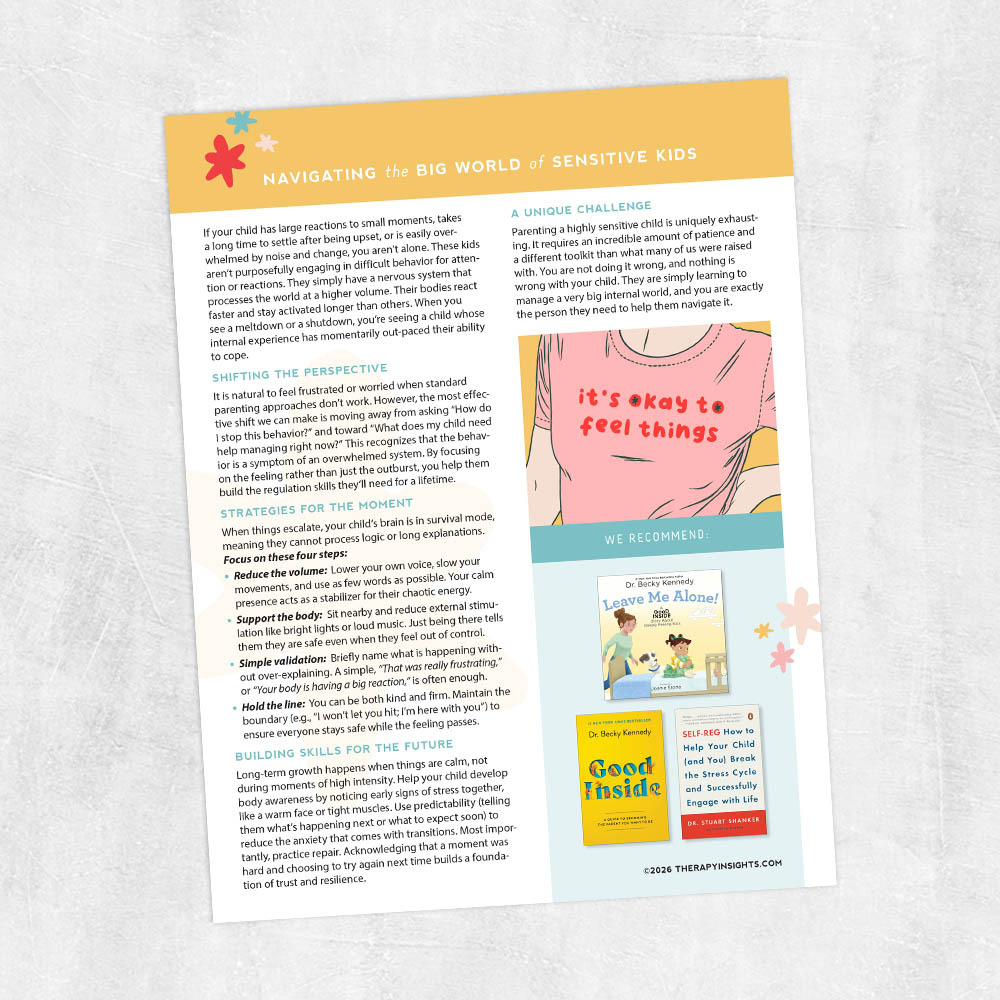
Navigating the Big World of Sensitive Kids
A concise handout that helps parents understand sensitivity through the lenses of regulation, sensory processing, and communication. It offers practical strategies that support children while honoring their experiences.
What’s Coming in August…
-
- Resources that help children understand how emotions show up in the body
- Parent coaching tools focused on language modeling and communication development
- Thoughtful discussions about digital environments, attention, and young brains
- Neurodiversity-affirming resources that support autistic children across home, school, and community settings
- Practical guides that help children communicate their preferences, strengths, and support needs to the adults in their lives