
Basics to Understanding Pressure Wounds


Population:
AdultDiscipline:
OTDiagnosis:
Seating and MobilityReferences:
- Li, Z., Lin, F., Thalib, L., & Chaboyer, W. (2020). Global prevalence and incidence of pressure injuries in hospitalised adult patients: a systematic review and meta-analysis. International journal of nursing studies, 105, 103546.
- Bhattacharya, S., & Mishra, R. K. (2015). Pressure ulcers: current understanding and newer modalities of treatment. Indian Journal of plastic surgery, 48(01), 004-016.
- Saghaleini, S. H., Dehghan, K., Shadvar, K., Sanaie, S., Mahmoodpoor, A., & Ostadi, Z. (2018). Pressure ulcer and nutrition. Indian journal of critical care medicine: peer-reviewed, official publication of Indian Society of Critical Care Medicine, 22(4), 283.
- Pressure Injury Stages. (n.d.). National Pressure Injury Advisory Panel.
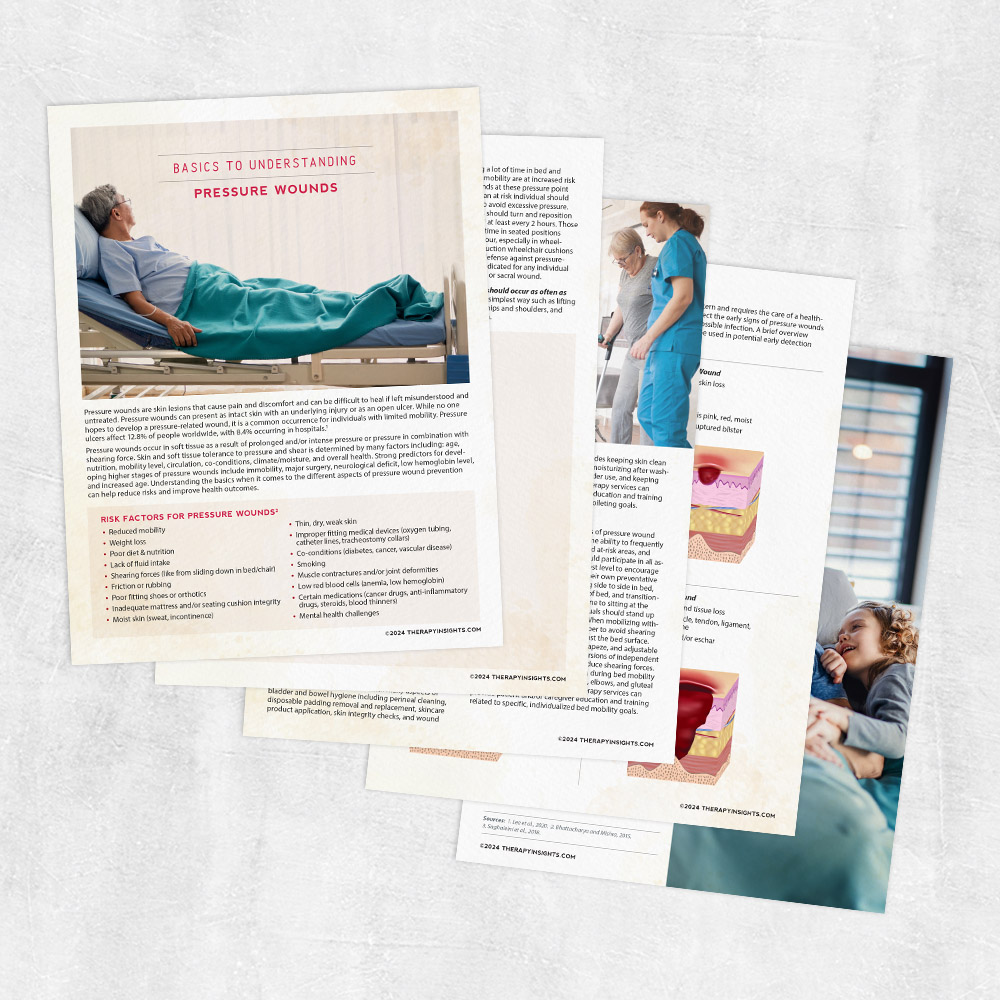
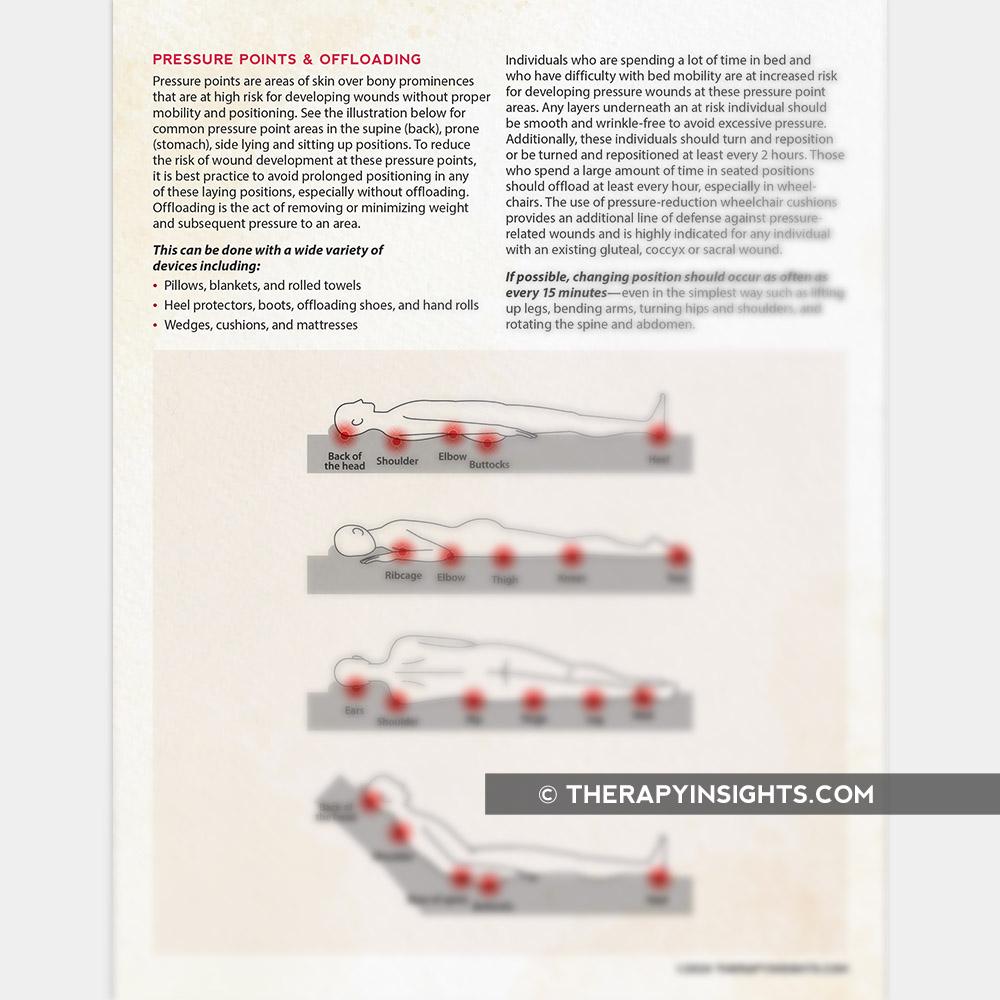
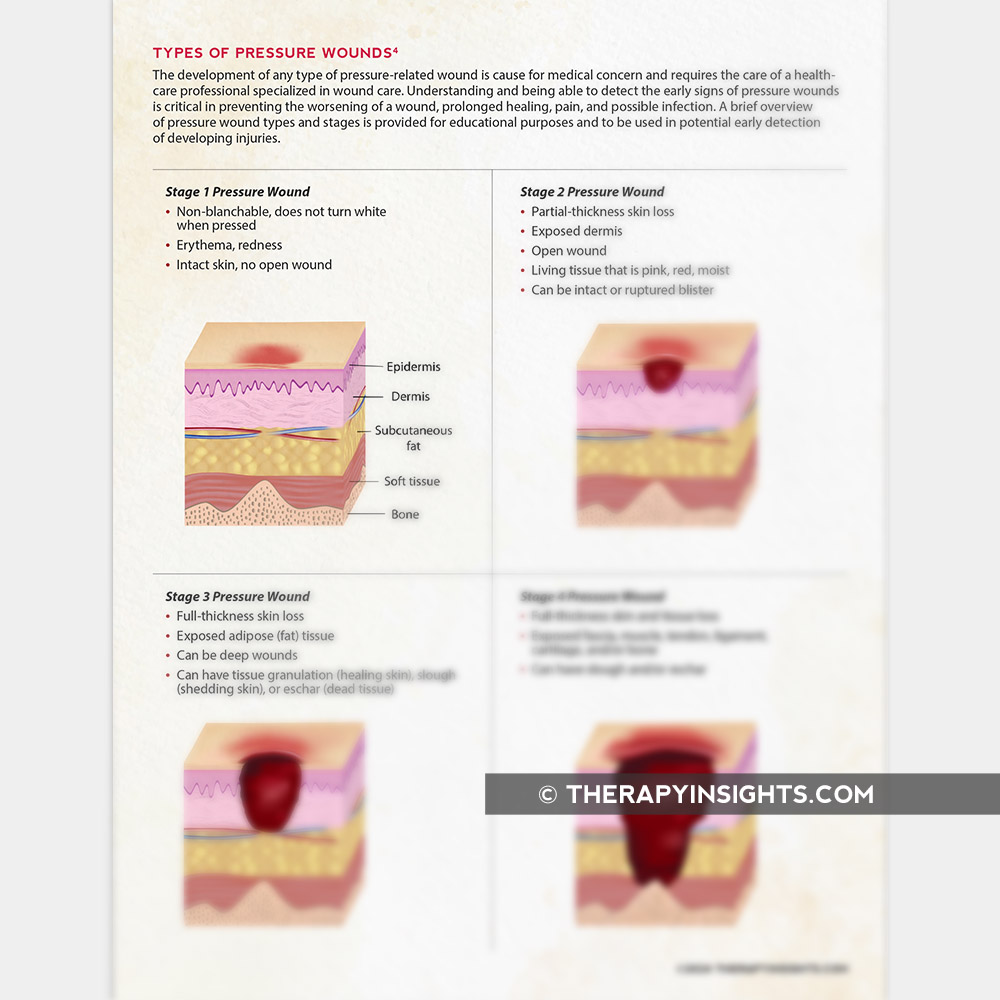
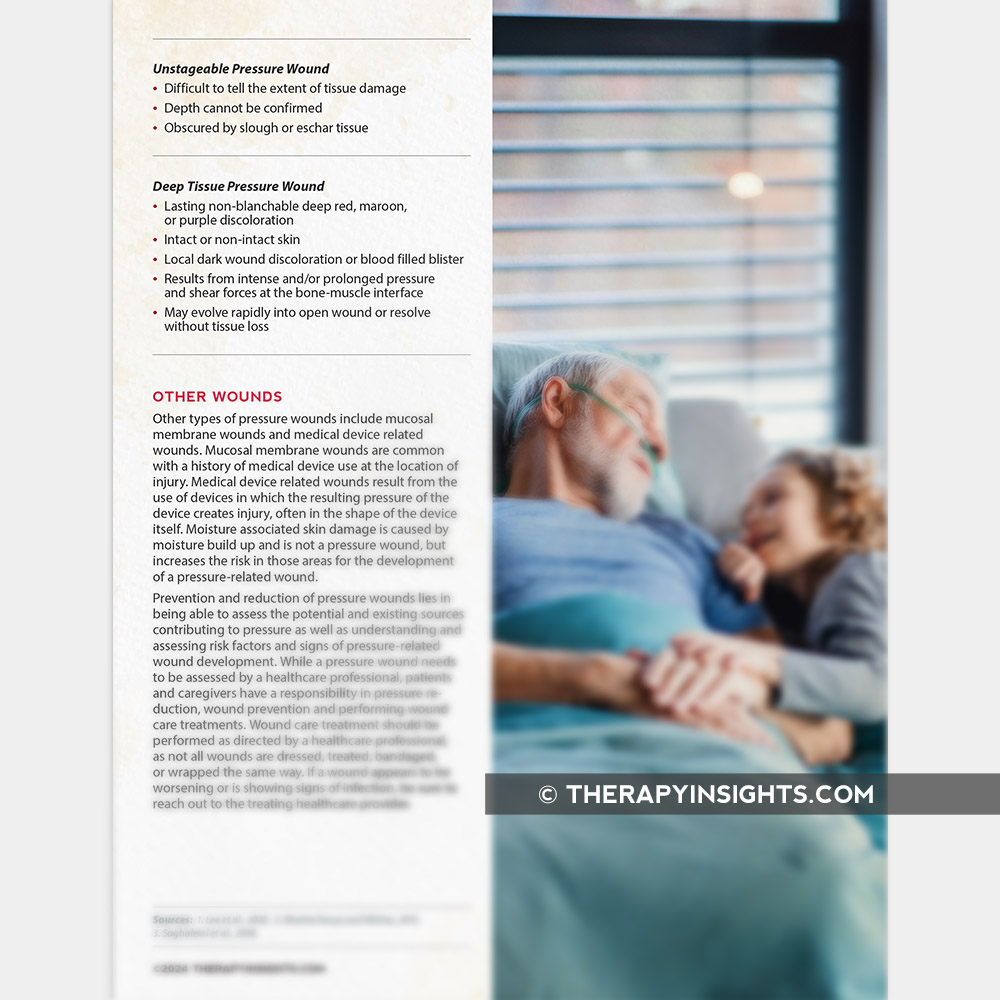
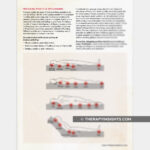
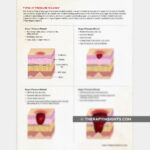
This handout is intended to help patients, family members and caregivers better understand the basics of pressure wounds. It includes education on pressure-related wounds, risk factors, and prevention. This printable handout is for occupational therapists working with adult patients, covering Seating and Mobility. Print Resource, US Letter, 5 pages. Members can view and print it.
Use this resource when a patient, family, or colleague asks:
- How do I prevent pressure wounds in patients with limited mobility?
- What are early signs of pressure ulcers caregivers should watch for?
Want access to this printable resource and hundreds more? Subscribe to Therapy Insights.
Subscribe to get instant and easy access to handouts, therapy materials, and clinical tools so that you can spend your valuable time doing what you do best: Connecting with your patients and changing lives for the better.
Already subscribed to Therapy Insights? Log in to access this member exclusive.
Related resources
Daily Resource Limit
There was an issue loading this asset. Please try again or contact customer support.