
Clinical ReferenceEval ToolHandout
Exercise-Induced Laryngeal Obstruction: Handout and Treatment Guide
Therapy Insights
Member Exclusive


Print Resource
— US Letter — 7 pages
Population:
AdultDiscipline:
SLPDiagnosis:
RespiratoryVoiceReferences:
- Shay, E. O., Sayad, E., & Milstein, C. F. (2020). Exercise‐induced laryngeal obstruction (EILO) in children and young adults: From referral to diagnosis. The Laryngoscope, 130(6), E400-E406.
- Vos, D. J., & Milstein, C. F. (2024). Long-Term Outcomes of Respiratory Retraining Therapy for Exercise-Induced Laryngeal Obstruction. Journal of Voice.
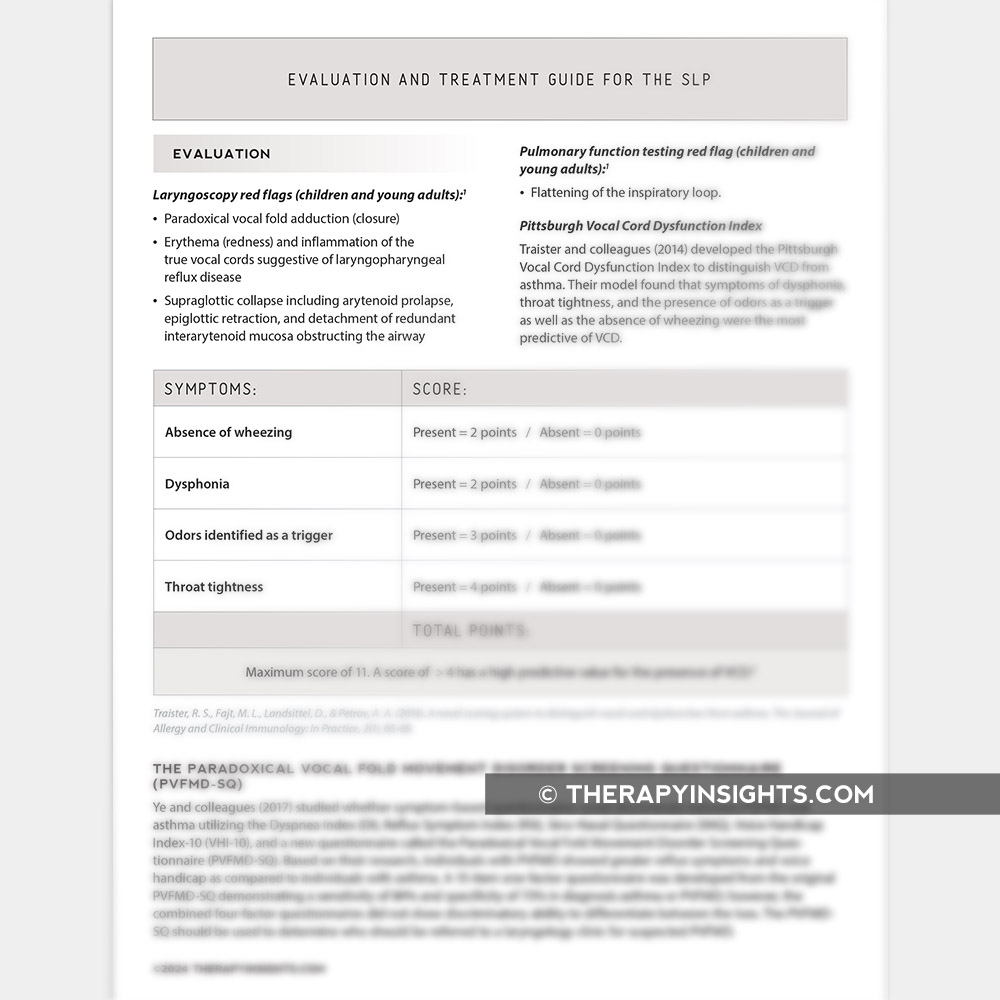
- Traister, R. S., Fajt, M. L., Landsittel, D., & Petrov, A. A. (2014). A novel scoring system to distinguish vocal cord dysfunction from asthma. The Journal of Allergy and Clinical Immunology: In Practice, 2(1), 65-69.
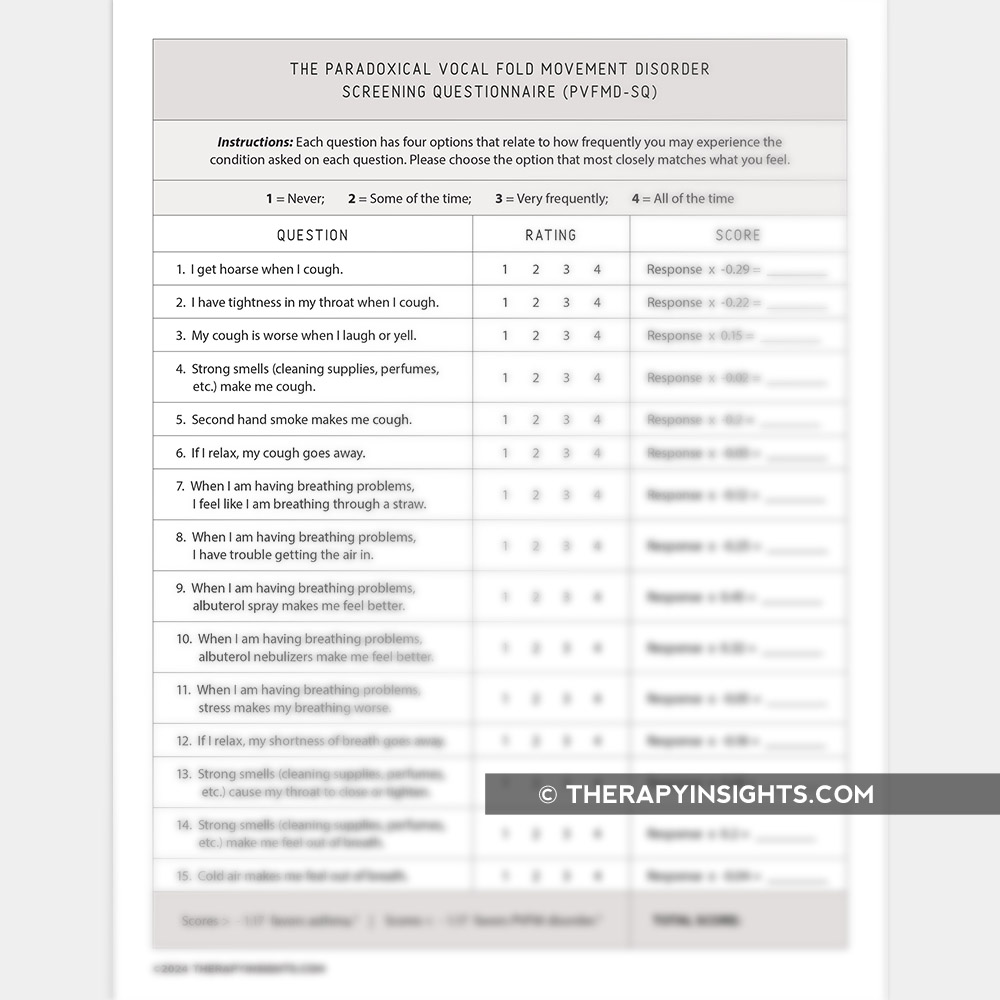
- Ye, J., Nouraie, M., Holguin, F., & Gillespie, A. I. (2017). The ability of patient-symptom questionnaires to differentiate PVFMD from asthma. Journal of Voice, 31(3), 382-e1.
- Shaffer, M., Litts, J. K., Nauman, E., & Haines, J. (2018). Speech-language pathology as a primary treatment for exercise-induced laryngeal obstruction. Immunology and Allergy Clinics, 38(2), 293-302.
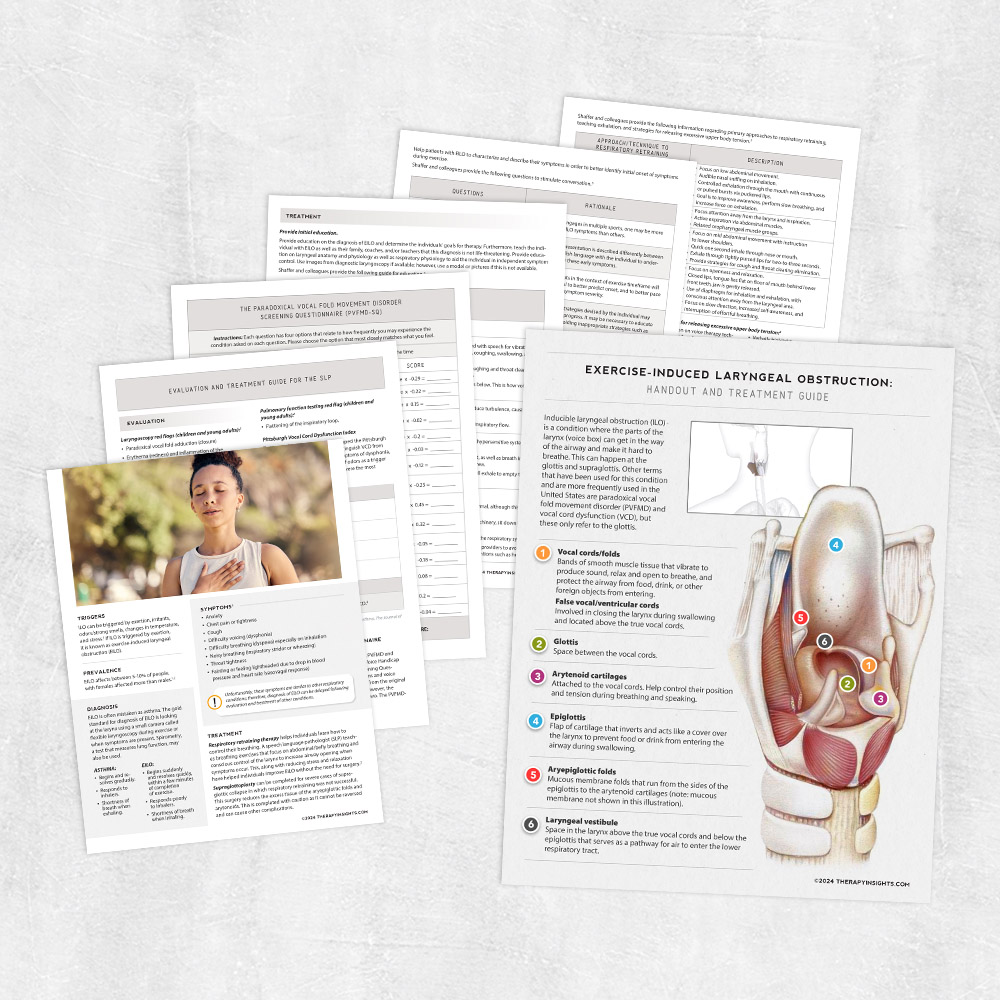
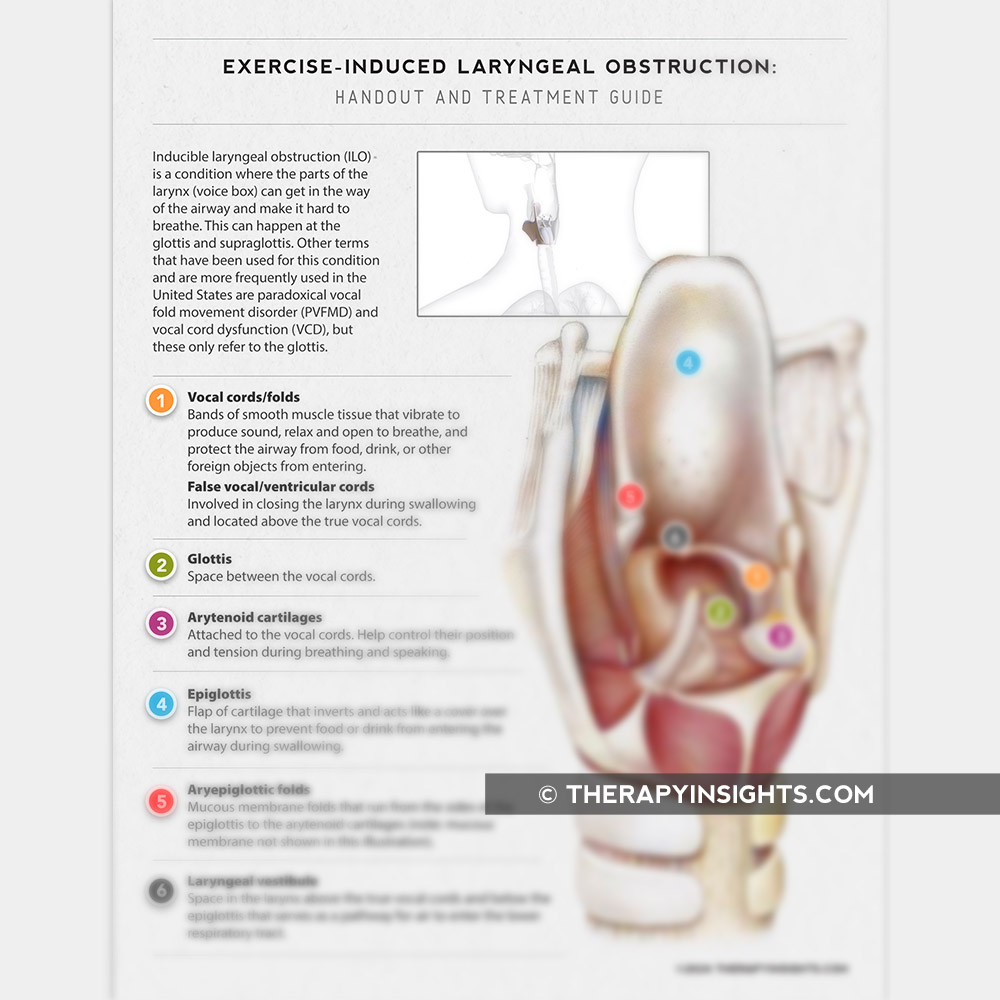
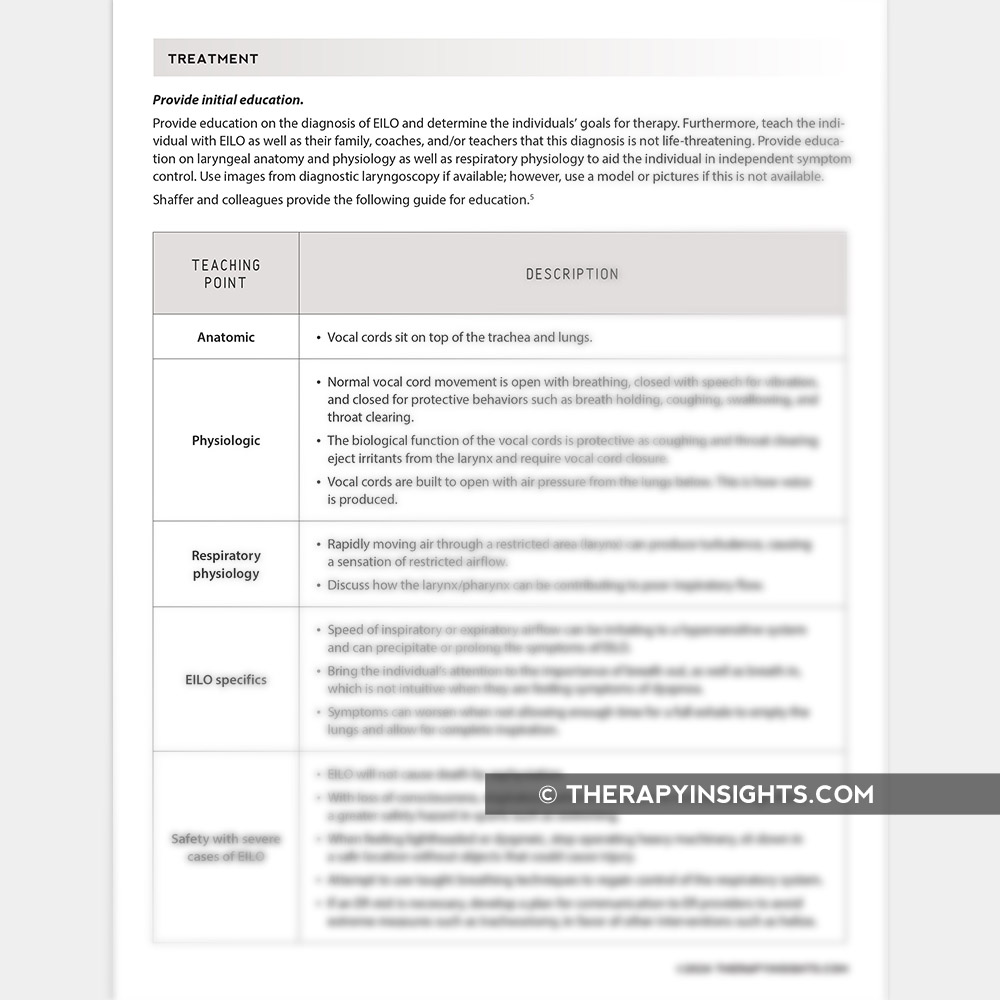
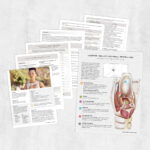
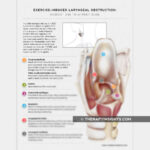
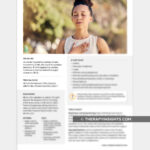
This material provides information on triggers, prevalence, symptoms, diagnosis, and treatment of inducible laryngeal obstruction, more specifically exercise or exertion induced. Furthermore, this material includes a clinical reference for the SLP on more specific information regarding treatment of this diagnosis in speech therapy.
Want access to this printable resource and hundreds more? Subscribe to Therapy Insights.
Subscribe to get instant and easy access to handouts, therapy materials, and clinical tools so that you can spend your valuable time doing what you do best: Connecting with your patients and changing lives for the better.
Subscribe now
Already subscribed to Therapy Insights? Log in to access this member exclusive.
Related resources
Handout
Avoiding Red Lights: Pacing for Progress
Therapy Activity
Hockey Play-by-Play: Tracking Changing Information
Clinical Reference
Talking About Money After Illness or Injury: A Clinical Guide
Handout
Beyond Exercise: Fun Ways to Stay Active
Handout
Your Concussion Recovery Roadmap
Handout
Changes in Speech Fluency After a Neurologic Injury
Daily Resource Limit
There was an issue loading this asset. Please try again or contact customer support.