From Sundowning to Self-Expression: Therapy Tools for October

Every month, we release new therapy resources across adult neuro and clinical pediatrics. These tools are designed to help you meet real needs with real strategies, whether you’re helping families navigate dementia, guiding a child with ADHD through mindset shifts, or building patient-friendly tools for vision rehab.
In this post, you’ll find:
- New adult neuro tools that support connection, communication, daily independence, and caregiver education
- New pediatric resources that emphasize voice, identity, and caregiver clarity
We’re sharing not just what we made, but why we made it, because thoughtful therapy deserves thoughtful tools.
Adult Neuro: New Therapy Tools for September
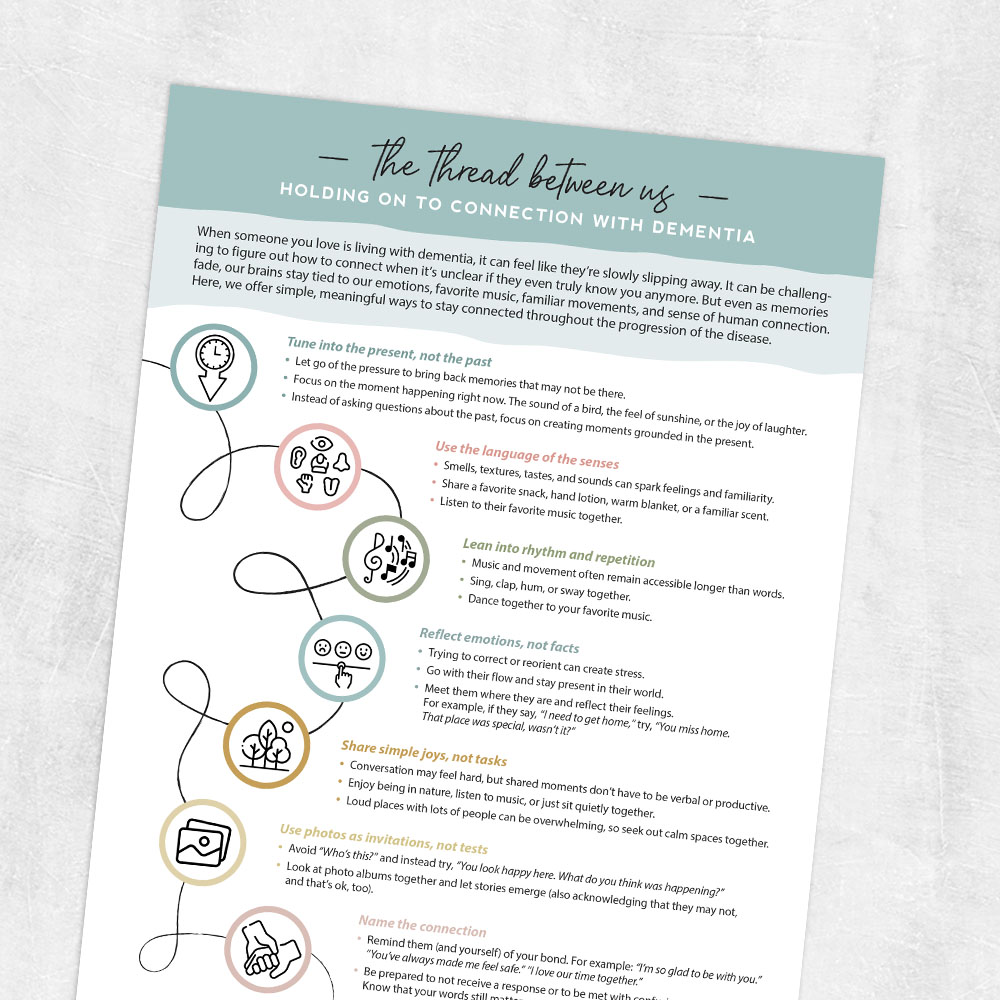
The Thread Between Us: Holding On to Connection With Dementia
Gentle, practical ways to foster connection with loved ones living with dementia.
Families often default to quizzing in an attempt to hold onto memory. This handout offers alternatives that honor presence, emotion, and shared experience.
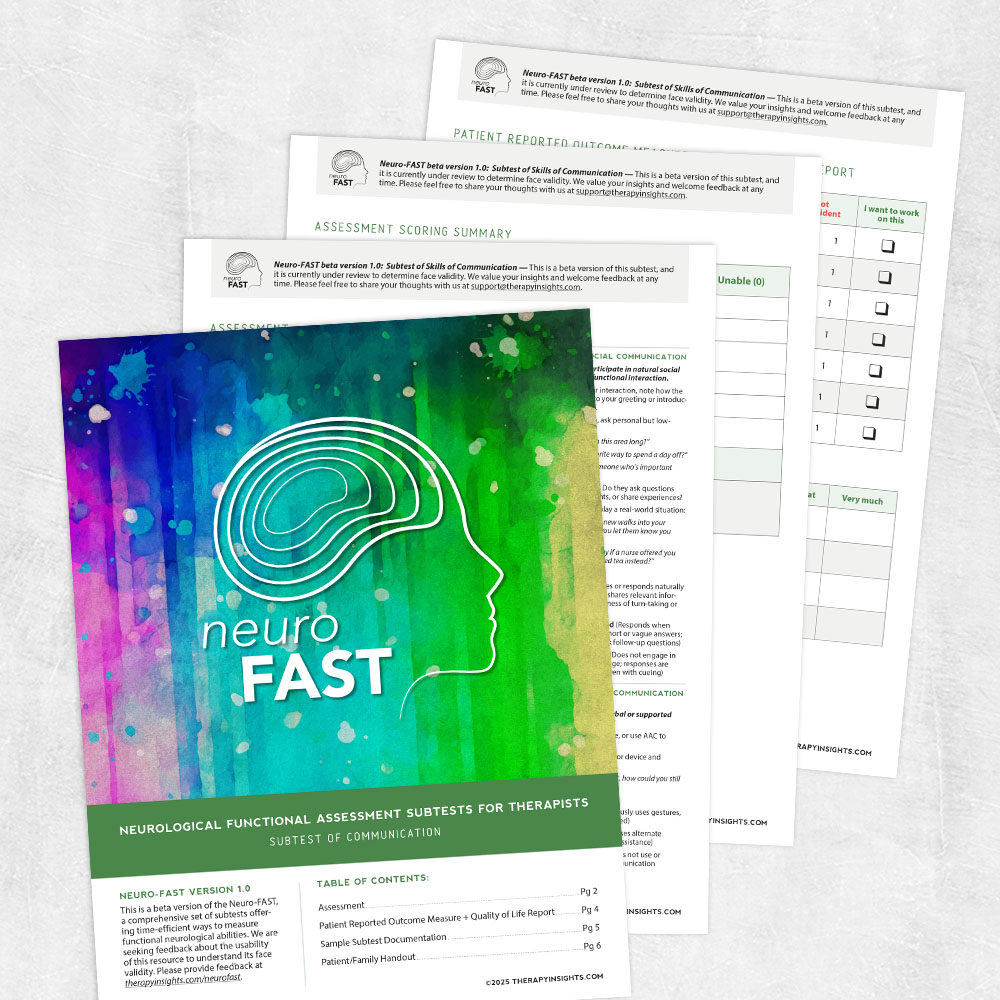
Neuro-FAST Subtest of Communication
A new addition to the growing Neuro-FAST toolkit, focused on functional communication.
Provides a person-centered, time-efficient way to assess communication in acute and post-acute care, with QoL measures and family-friendly summaries.
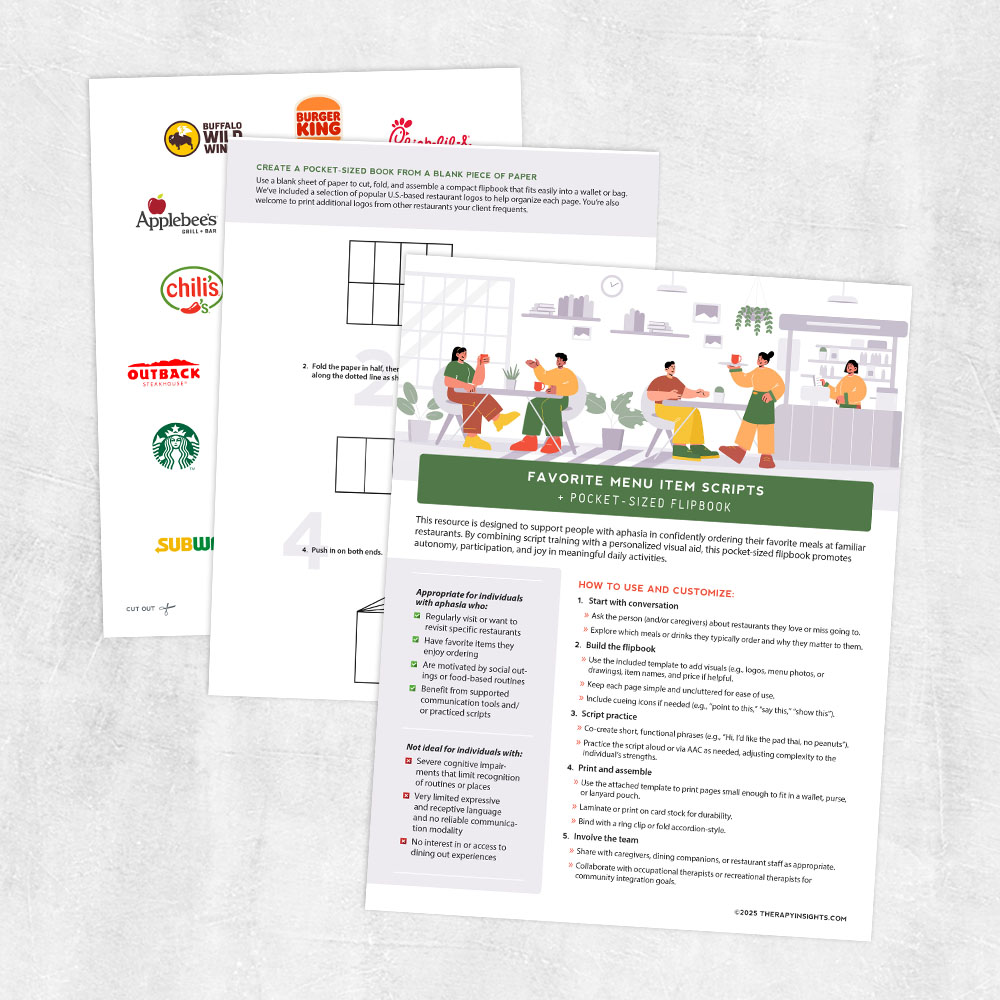
Favorite Menu Item Scripts + Pocket-Sized Flipbook
Customizable scripts and flipbook templates for clients with aphasia.
Supports the life participation model by helping clients order favorite foods independently in real-world settings.
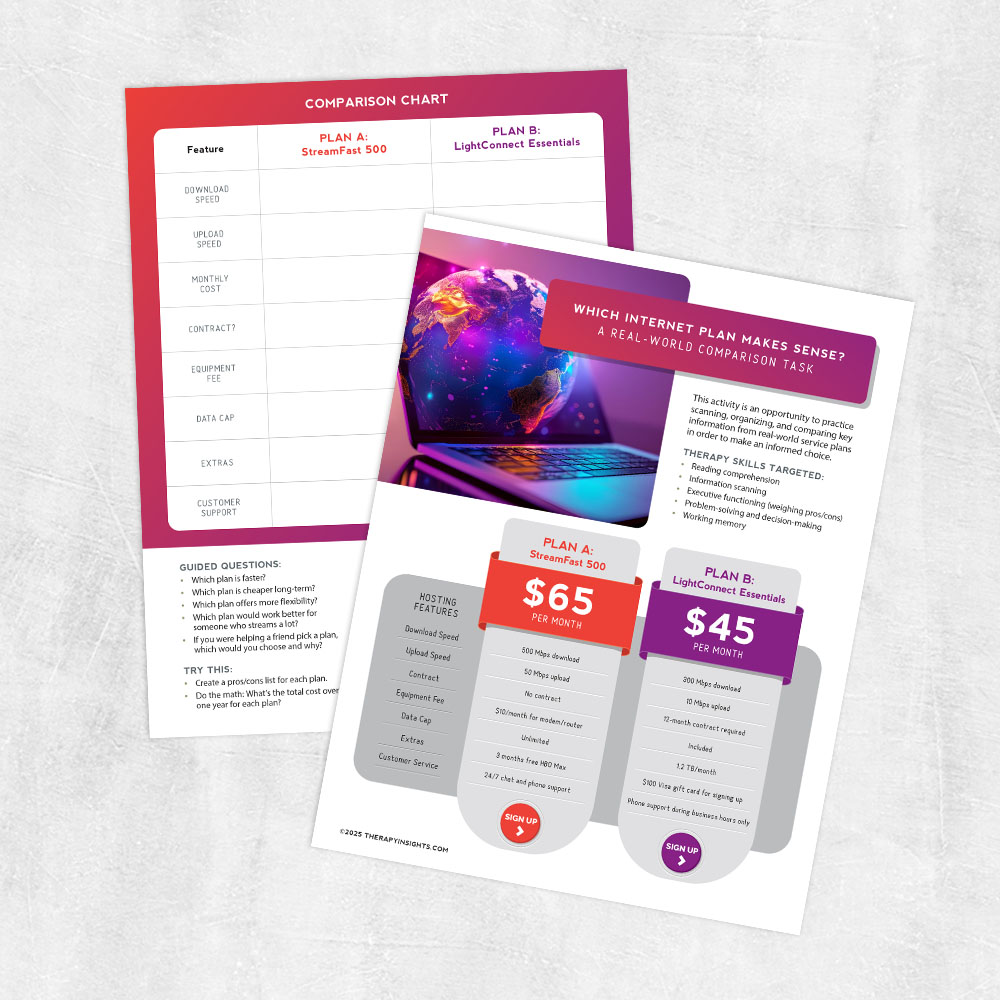
Which Internet Plan Makes Sense? A Real-World Comparison Task
A functional cognitive activity comparing two internet plans.
Targets scanning, comprehension, and decision-making skills through a realistic, everyday scenario.
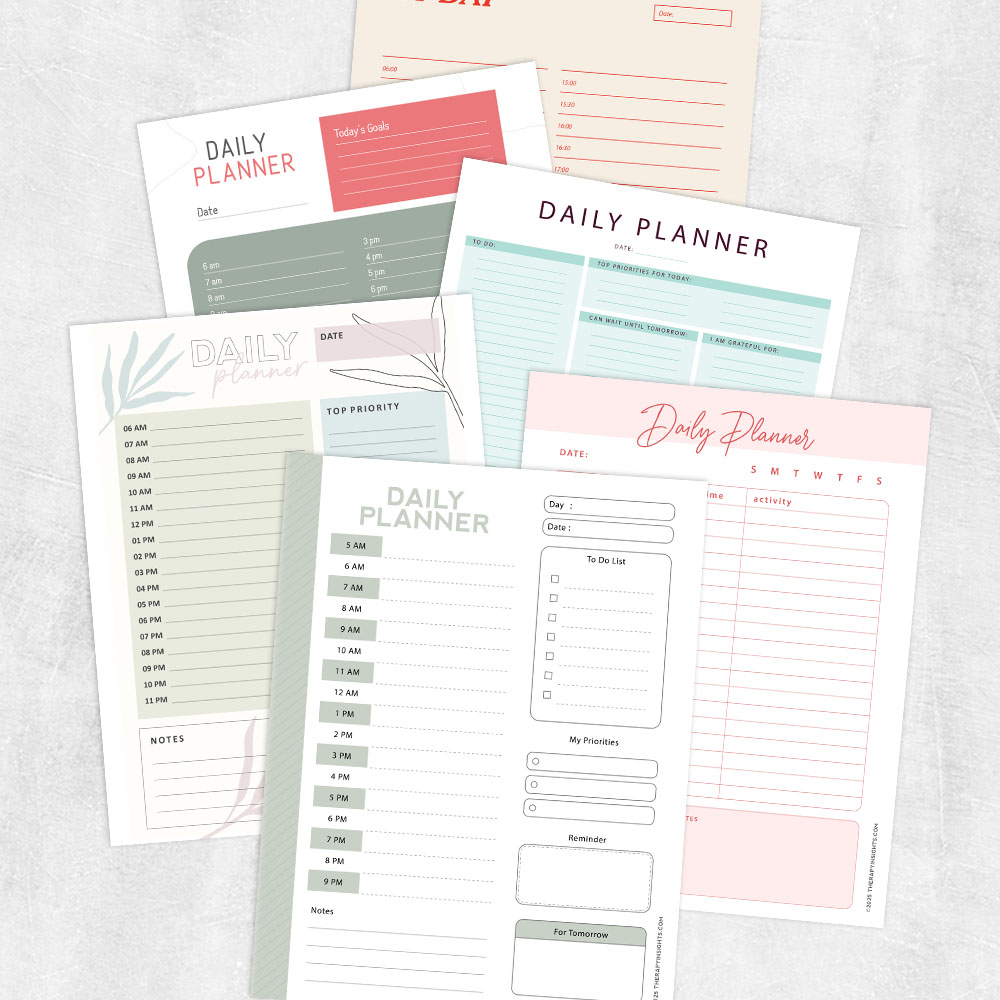
Daily Planners (6 Design Options)
Six printable templates for organization and goal tracking.
Clients can choose the design that fits them best, giving therapists flexible options for building executive functioning supports.
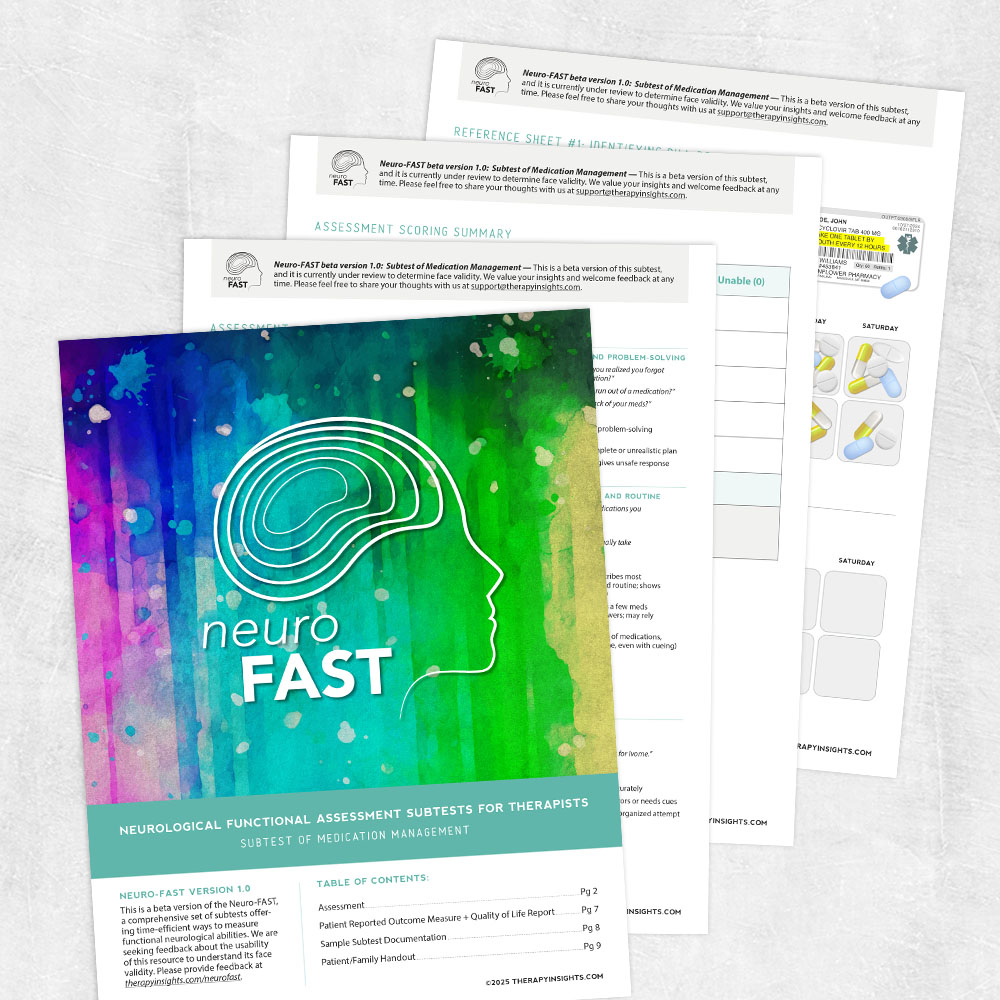
Neuro-FAST Subtest of Medication Management
A new subtest that focuses on real-world medication management skills.
Supports therapists in assessing independence with daily tasks rather than abstract cognitive measures.
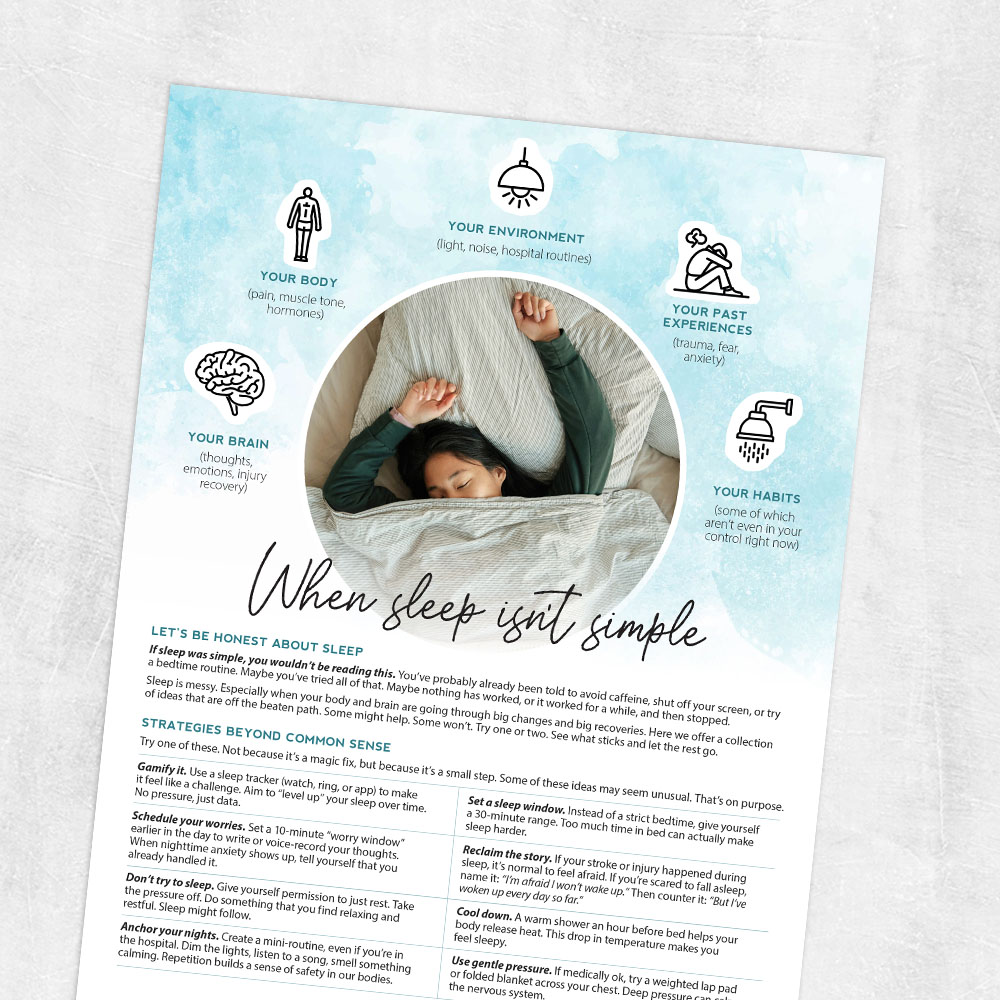
When Sleep Isn’t Simple
A patient-facing handout with fresh strategies for post-injury sleep challenges.
Goes beyond basic sleep hygiene tips to validate experiences and offer new, practical ideas.
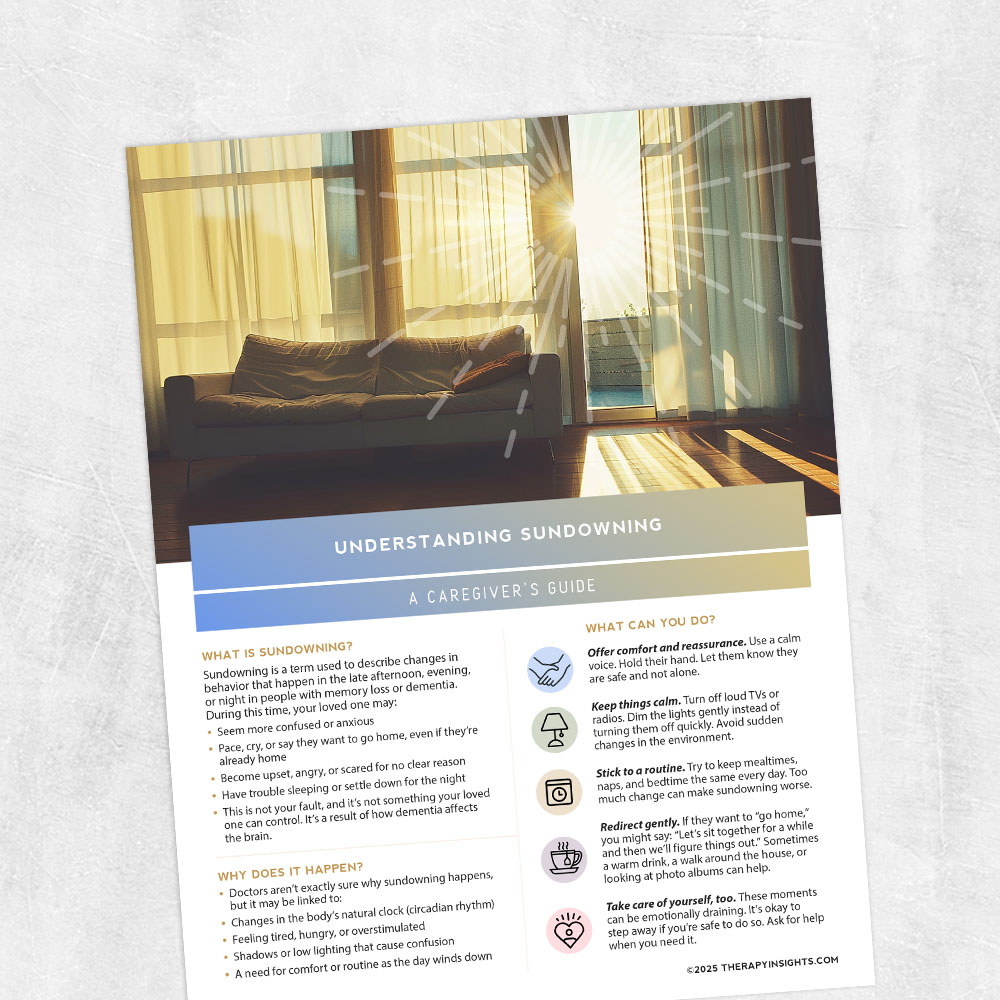
Understanding Sundowning: A Caregiver’s Guide
Clear, supportive explanations of sundowning for caregivers.
Helps families anticipate late-day confusion and equips them with practical, compassionate strategies.
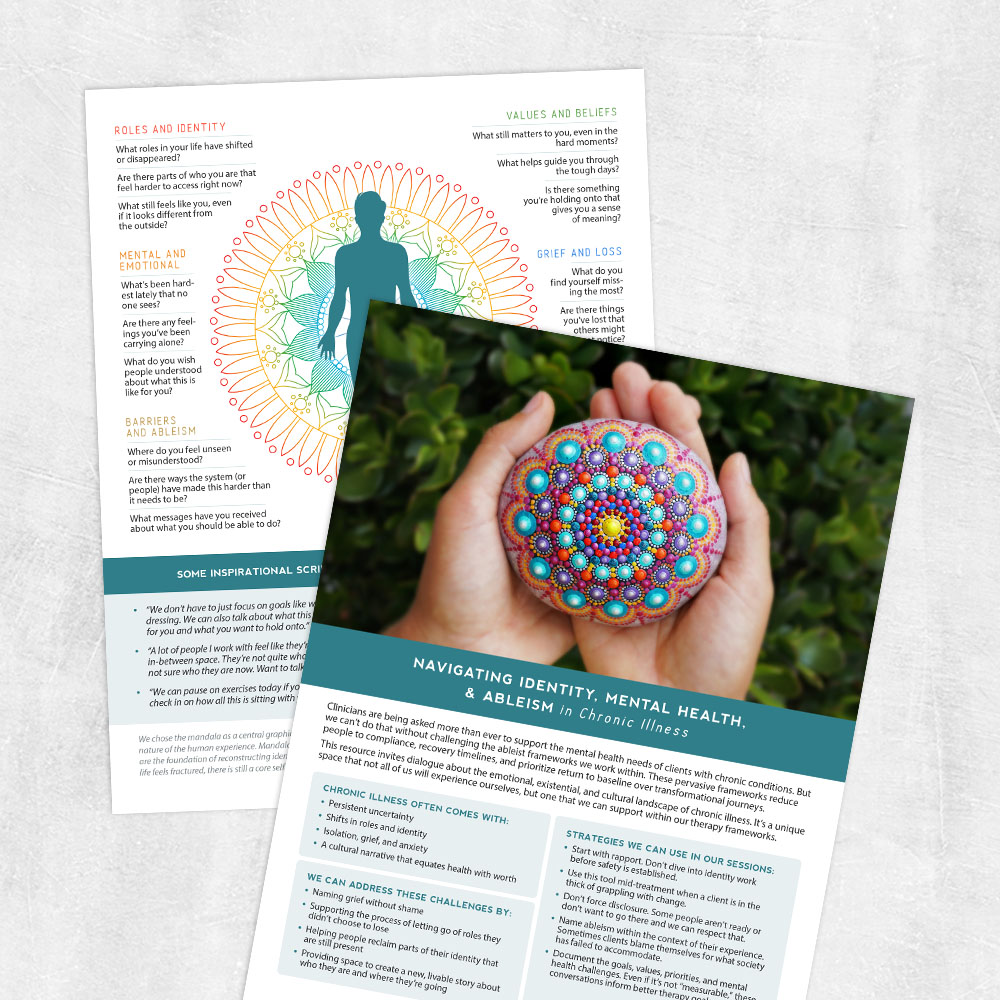
Navigating Identity, Mental Health, and Ableism in Chronic Illness
A reflective tool for therapy conversations about identity and emotional wellbeing.
Supports clients in exploring who they are beyond a diagnosis, with space to address stigma and ableism.
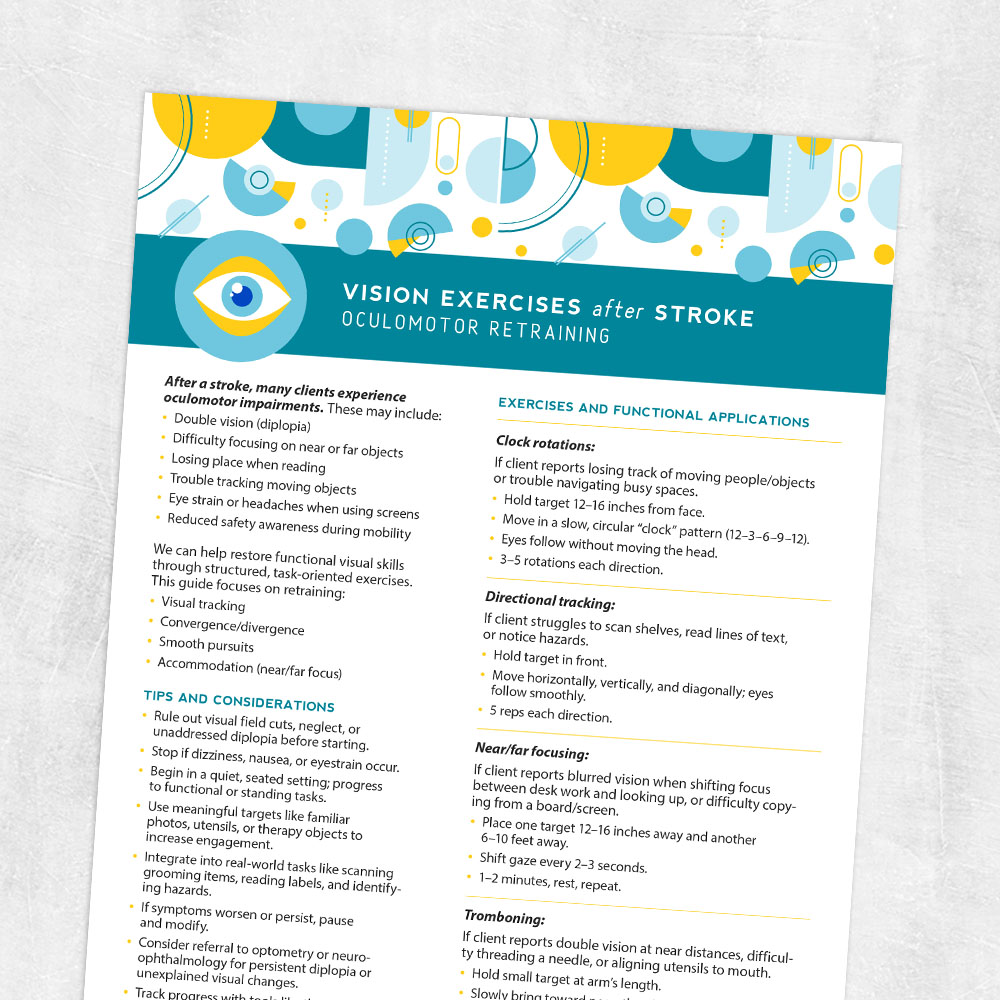
Vision Exercises After Stroke: Oculomotor Retraining
Quick, evidence-informed exercises for scanning, focusing, and tracking.
Designed to be paired with real-life tasks like reading or balance activities.
What’s Coming in November…
- Neuro-FAST subtests on Writing and Reading Comprehension and Financial Skills
- Resources on Wernicke’s encephalopathy and Korsakoff syndrome
- Parkinson’s and Voice: Self Perception vs. Reality
- An apraxia of speech toolkit grounded in interest-based practice
- A Holiday Meal Time Planner for Thanksgiving
- A patient-friendly guide to calling someone on an iPhone (large print)
- A reflective explainer: After the Fire: How the Brain Rebuilds Paths
- Practical resources on pressure redistribution for wheelchair users and managing carpal tunnel conservatively
Clinical Pediatrics: New Therapy Tools for October
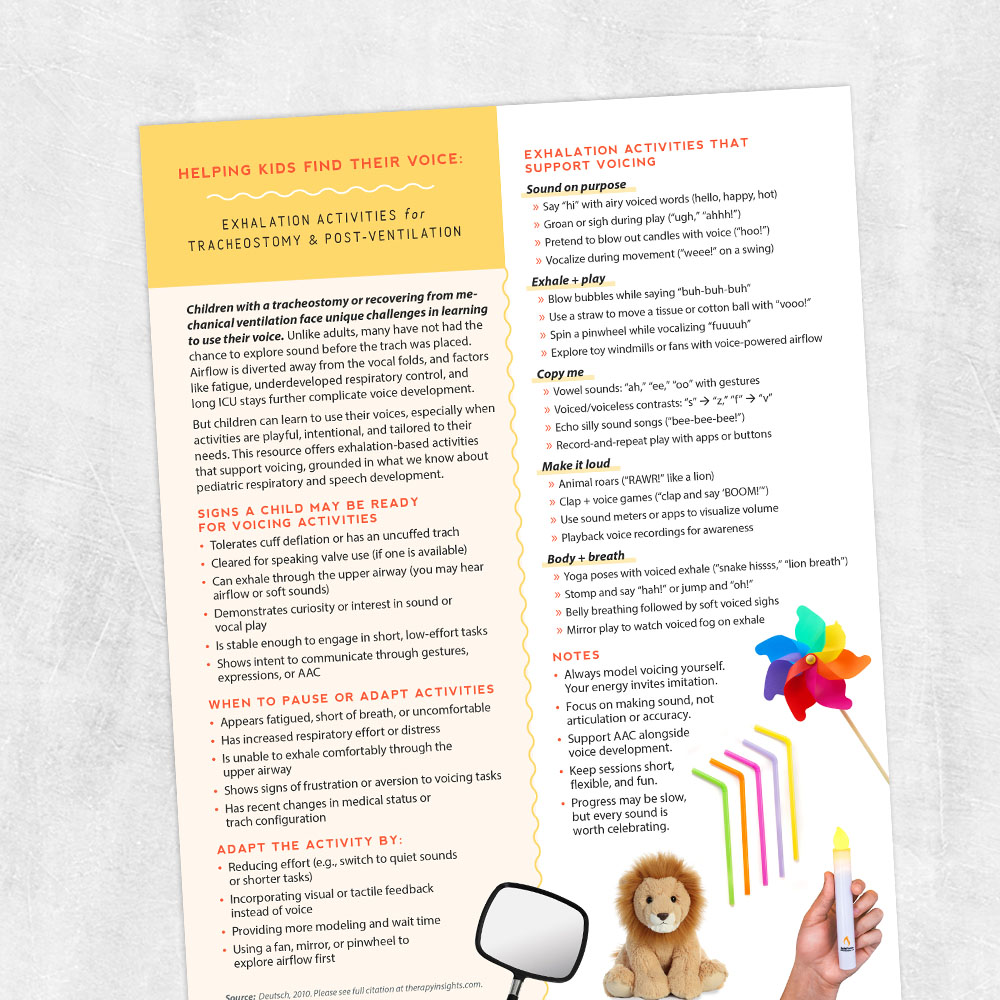
Helping Kids Find Their Voice: Exhalation Activities for Tracheostomy and Post-Ventilation
Evidence-informed activities to support early voicing through play.
Designed to avoid non-speech oral motor exercises while fostering developmentally appropriate voice practice.
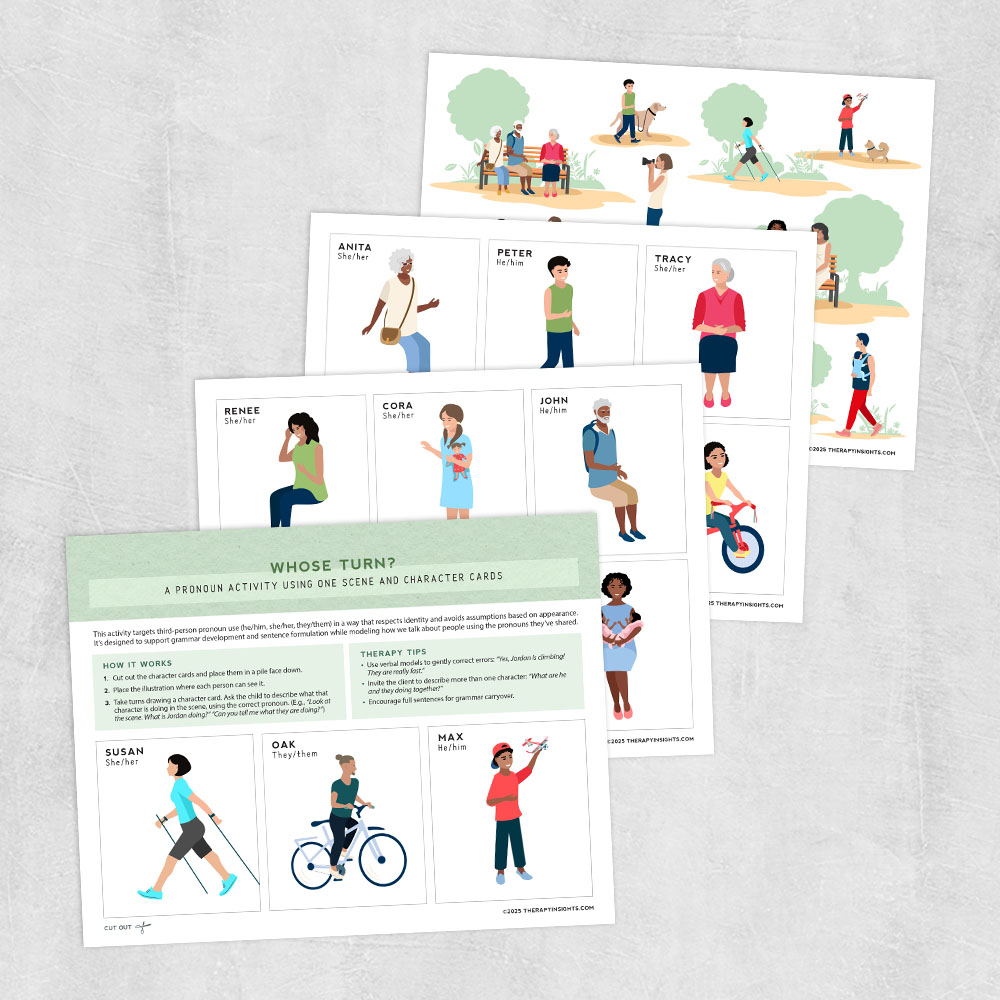
Whose Turn? A Pronoun Activity Using One Scene and Character Cards
A grammar activity using a park scene and character cards with pronouns.
Supports pronoun development while modeling identity-affirming, respectful language.
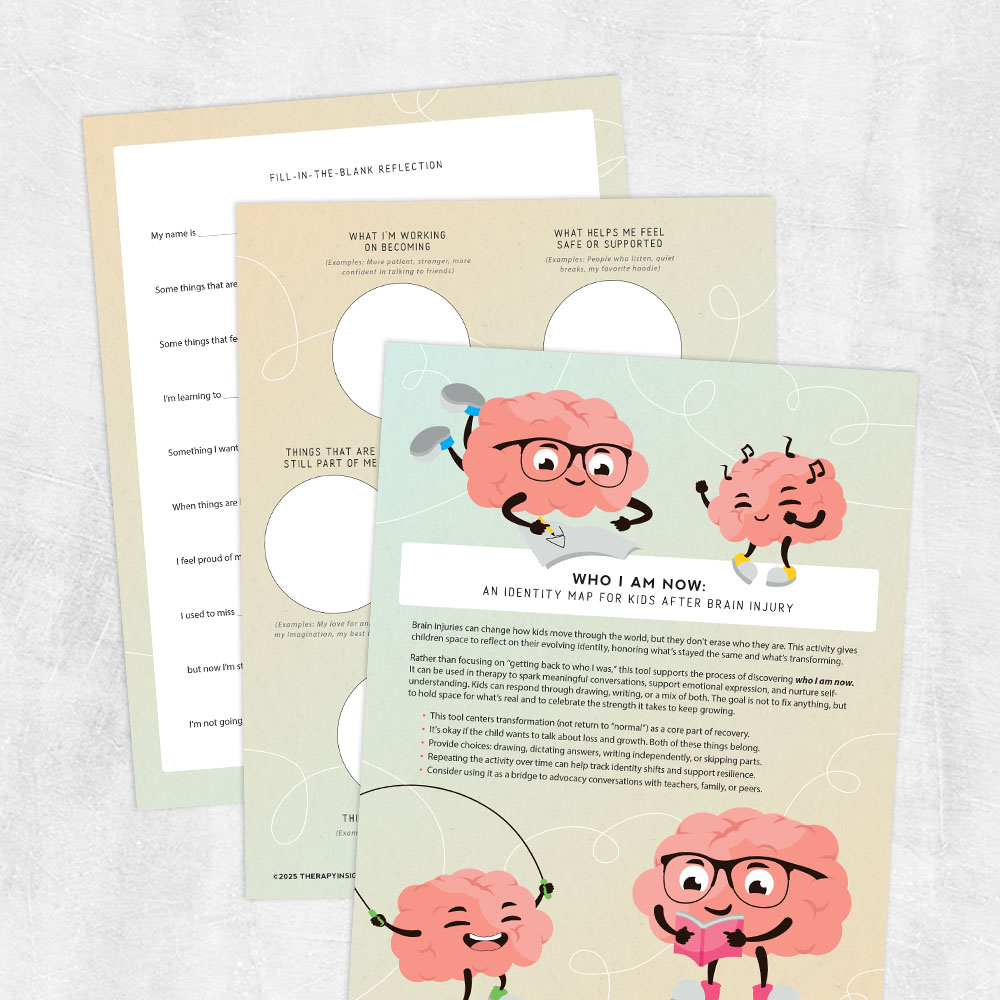
Who I Am Now: An Identity Map for Kids After Brain Injury
A reflective activity to help kids explore identity after brain injury.
Promotes emotional expression and self-awareness by honoring both continuity and change.
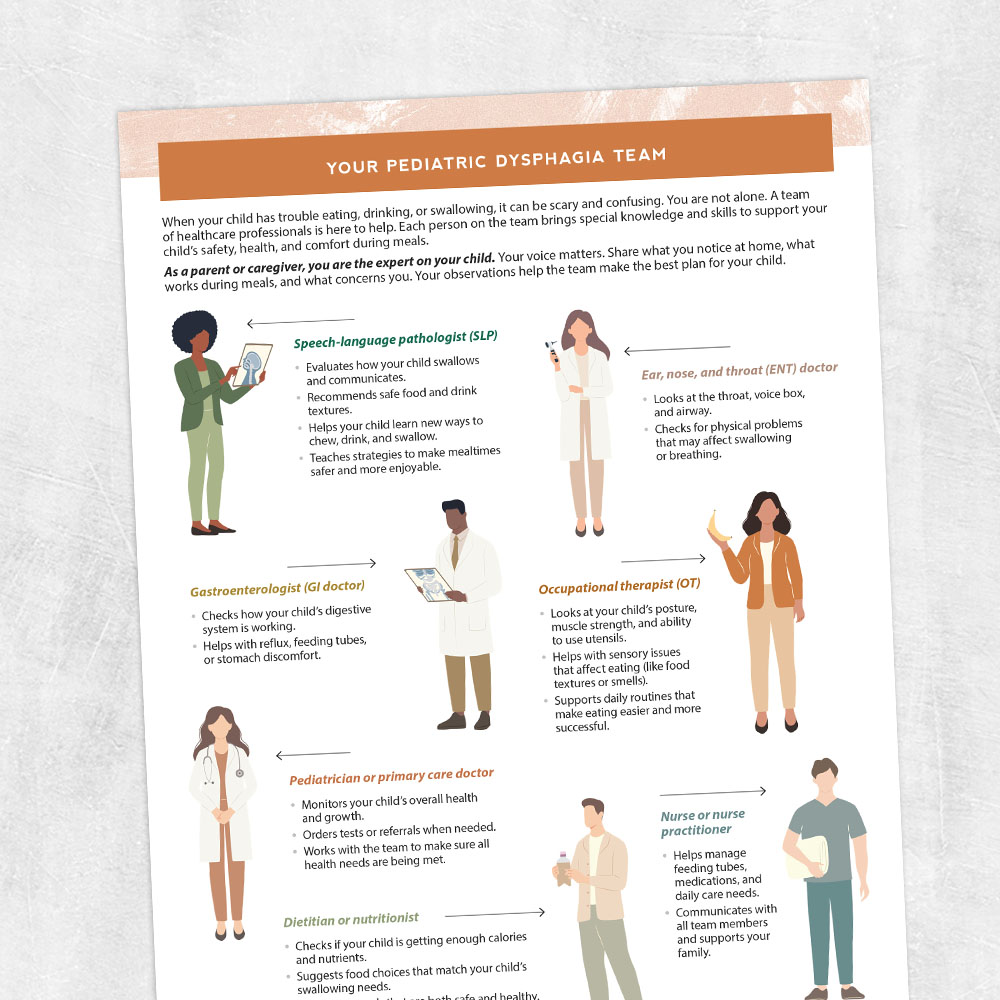
Your Pediatric Dysphagia Team
A quick-reference guide explaining the role of each professional on the care team.
Helps families navigate complex medical systems with clarity and confidence.
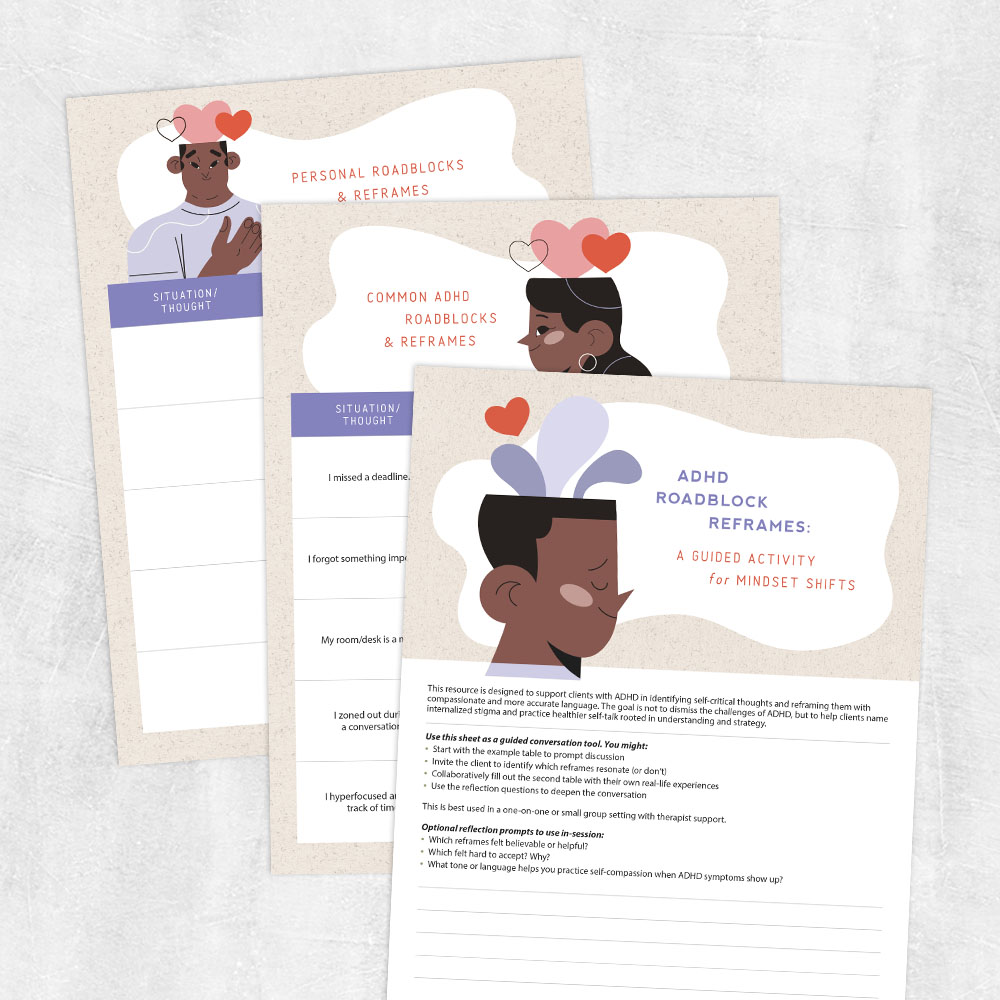
ADHD Roadblock Reframes: A Guided Activity for Mindset Shifts
A therapist-led activity that helps kids reframe self-critical thoughts.
Supports mindset shifts, self-compassion, and strengths-based reflection for ADHD.
What’s Coming in November…
- Phones at School: Holding Tensions and Finding Solutions
- A habit stacking worksheet for kids
- A playful Texture Transition: Choose-Your-Own Adventure activity
- A reflective handout on why kids need boredom
- Play Without Pressure, a parent guide for breaking down play